
Last Updated: October 23, 2026
Quick Summary
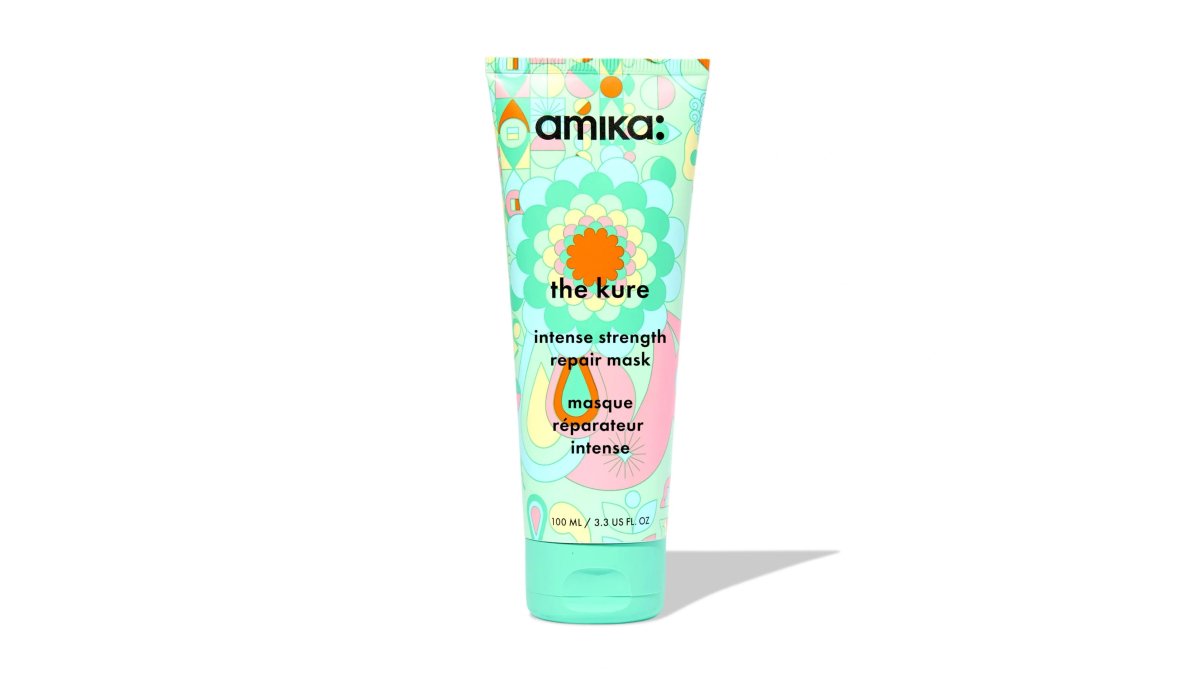
The best professional grade hair masks repair bonds, restore moisture, and rebuild damaged strands between salon visits. Our top pick is Amika The Kure Intense Bond Repair Mask at $24.00, with Olaplex options for dry, coarse hair and fine hair.
- Amika The Kure Intense Bond Repair Mask costs $24.00 and is clinically proven color-safe.
- Olaplex Rich Hydration Mask suits dry, coarse hair and rinses out in 3 to 5 minutes.
- Olaplex Weightless Nourishing Mask hydrates fine to medium hair without flattening volume.
- Amika Hydro Rush Intense Moisture Mask is silicone-free and uses hyaluronic acid for dehydrated strands.
- Amika Soulfood Nourishing Mask is the budget pick at $15.00 but lacks bond-repair claims.
Table of Contents
- Quick Comparison: The Best Professional Grade Hair Masks
- How We Chose These Masks
- 1. Amika The Kure Intense Bond Repair Mask: Best Overall
- 2. Olaplex Rich Hydration Mask: Best for Dry, Coarse Hair
- 3. Olaplex Weightless Nourishing Mask: Best for Fine Hair
- 4. Amika Hydro Rush Intense Moisture Mask: Best for Dehydrated Strands
- 5. Amika Soulfood Nourishing Mask: Best Budget Pick
- Best Hair Masks for Damaged Hair: Which One to Choose
- Frequently Asked Questions
Quick Comparison: The Best Professional Grade Hair Masks
Professional grade hair masks are intensive treatments formulated with higher concentrations of active ingredients than everyday conditioners, designed to repair bonds, restore moisture, and rebuild damaged strands between salon visits.
Here is how the five picks compare:
| Mask | Price | Best For | Key Strength |
|---|---|---|---|
| Amika The Kure Intense Bond Repair Mask | $24.00 | Overall repair | Bond Cure Technology, color-safe |
| Olaplex Rich Hydration Mask | $44.00 | Dry, coarse hair | Biomimetic Cuticle Technology |
| Olaplex Weightless Nourishing Mask | $44.00 | Fine hair | Volume without weight |
| Amika Hydro Rush Intense Moisture Mask | $24.00 | Dehydrated strands | Hyaluronic acid, silicone-free |
| Amika Soulfood Nourishing Mask | $15.00 | Budget buyers | Lightweight daily conditioning |
How We Chose These Masks
Most roundups tell you which masks they like. Fewer tell you what makes a mask professional grade in the first place, and that distinction is the whole point of this keyword. So before the picks, here is the standard we held them to, and the testing protocol we used to separate salon-tier formulas from repackaged conditioner.

What 'professional grade' actually means
Professional grade is not a regulated term, which is why so many retail masks borrow it. In practice, the masks that earn it share a few measurable traits:
- Active concentration, not just presence. A bond-builder or humectant listed near the top of the ingredient deck, at a concentration the brand can stand behind, does more than a trace amount added for the label. Professional formulas tend to lead with actives; everyday conditioners lead with water, fatty alcohols, and fragrance.
- A named delivery system. Bond Cure Technology, Biomimetic Cuticle Technology, and encapsulated humectant systems are examples of mechanisms a formulator can explain. 'Nourishing complex' with no mechanism is marketing language.
- Salon-channel heritage or professional back-bar use. Many of these lines are sold through salons and used as back-bar treatments, which is a meaningful signal even though retail access has widened.
Our testing protocol
We evaluated each mask on the same four-part framework editors commonly use, then added two measures the broad roundups usually skip:
- Application and spread, how far a single scoop or pump travels through mid-lengths and ends.
- Consistency and rinse-out, whether the formula rinses clean or leaves residue that weighs hair down.
- Effectiveness over time, softness, slip, and breakage reduction measured across repeat uses, not a single wash.
- Cost per treatment, container size divided by the number of applications a typical user gets, so a $44.00 jar and a $15.00 tub are compared on value rather than sticker price.
- Porosity fit, whether the formula suits low-, medium-, or high-porosity hair, since a mask that transforms coarse hair can flatten fine strands.
- Protein-moisture balance, whether repeated use risks protein overload, the stiff, brittle feeling that comes from too many strengthening actives and too little moisture.
That last measure matters more than most guides admit. A bond-repair mask used weekly on already-strong hair can tip into overload; the same mask on bleach-damaged hair is exactly right. Matching the formula to the hair, not the marketing, is the deciding criterion.
The three criteria that decided the final five
- Active ingredient systems. Bond-building technology, hyaluronic acid, squalane, and conditioning butters earn a spot. Fragrance and filler do not.
- Hair type and porosity specificity. A mask that works on coarse hair can flatten fine hair. We matched formulas to the hair they serve.
- Cost per use. A $44.00 jar that lasts months can cost less per treatment than a cheap mask you replace constantly.
Byrdie's hair mask testing roundup is a useful cross-check on the four-part framework; our additions are the porosity and protein-balance lenses, which is where most lists stop short.
1. Amika The Kure Intense Bond Repair Mask: Best Overall
The best overall professional grade hair mask is Amika The Kure Intense Bond Repair Mask.
Bond Cure Technology targets the bonds most prone to breakage from heat styling and chemical processing.
Apply after cleansing, massage from roots to ends, leave 10 minutes, rinse. Use it weekly in place of conditioner.
The one drawback: 10 minutes is a real commitment compared with a 3-minute mask. Set a timer and use it on a day you are not rushing.
View the Amika The Kure Intense Bond Repair Mask
2. Olaplex Rich Hydration Mask: Best for Dry, Coarse Hair
Dry, coarse hair needs weight and slip, and the Olaplex Rich Hydration Mask delivers both for $44.00.
This is the pick for hair that drinks up product and still feels straw-like by day three. It also targets frizz, which coarse textures fight constantly.
Where it falls short: fine hair can end up limp. Keep it away from fine strands and roots.
Shop the Olaplex Rich Hydration Mask

3. Olaplex Weightless Nourishing Mask: Best for Fine Hair
Fine hair has the opposite problem: most masks weigh it down.
In practice, this means fine strands get moisture and reduced breakage while keeping body. Apply to damp hair, leave 3 to 5 minutes, rinse.
The honest limitation is price. At $44.00 for 200 mL, it costs more per ounce than the Amika picks, and fine hair often needs less product, so a jar lasts a while.
Amika The Kure Intense Bond Repair Mask →
See the Olaplex Weightless Nourishing Mask

4. Amika Hydro Rush Intense Moisture Mask: Best for Dehydrated Strands
Dehydrated hair that struggles to absorb moisture needs a humectant-driven formula, and Amika Hydro Rush Intense Moisture Mask fills that role at $24.00.
The silicone-free formula matters for low-porosity and coarse textures that resist heavy products. Comb it through mid-lengths to ends, leave 5 to 10 minutes, rinse.
What most guides miss is the porosity angle. If your hair repels water and products sit on top, a silicone-free humectant mask like this one is a better starting point than a heavy butter-based treatment.
Explore the Amika Hydro Rush Intense Moisture Mask
5. Amika Soulfood Nourishing Mask: Best Budget Pick
The Amika Soulfood Nourishing Mask proves a professional hair mask for color-treated hair does not need a premium price.
It is the most flexible mask here. High-porosity hair can use it as an everyday conditioner; normal or low-porosity hair should use it weekly.
The tradeoff is repair depth. Soulfood conditions beautifully but does not carry the bond-repair claims of The Kure.
Get the Amika Soulfood Nourishing Mask
Best Hair Masks for Damaged Hair: Which One to Choose
Match the mask to the damage, not the marketing. That is the whole game with the best hair masks for damaged hair, and it is where broad roundups fall short: they rank products but rarely explain why one formula suits bleach damage and another suits heat damage. Here is the decision guide, organized by the damage type you actually have.
Identify the damage first
Damage is not one thing. The three common patterns call for different actives:
- Chemical damage (bleach, color, relaxers). The cuticle is lifted and internal bonds are broken. You need bond-building actives plus conditioning to seal the cuticle.
- Heat damage (flat irons, blow-dryers, hot tools). Protein loss and cuticle cracking show up as roughness and split ends. Bond-repair and protein-supported formulas help; heavy humectants alone will not rebuild structure.
- Dehydration (not structural damage). Hair feels straw-like and resists moisture but is not broken. Humectant-driven, silicone-free formulas are the better starting point.
Match the mask to the damage
- Bleach damage or breakage: Amika The Kure Intense Bond Repair Mask. Bond-repair technology and color-safe certification make it the default at $24.00. Use it weekly in place of conditioner and give it the full 10 minutes.
- Heat damage and dryness, coarse hair: Olaplex Rich Hydration Mask at $44.00. The Biomimetic Cuticle Technology seals the cuticle while the conditioning complex adds slip, which is what coarse, heat-stressed hair needs.
- Heat damage and dryness, fine hair: Olaplex Weightless Nourishing Mask at $44.00. Same bond-building and cuticle-sealing approach in a lighter formula that will not flatten volume.
The porosity and protein-balance angle most guides miss
Hair type is a blunt instrument. Porosity and protein-moisture balance personalize the choice far better:
- High-porosity hair (sinks in water, dries fast, feels rough) absorbs heavy, protein-rich masks well and can often handle weekly bond-repair use.
- Low-porosity hair (floats, repels water, products sit on top) does better with lightweight, silicone-free humectant formulas like Hydro Rush and should use bond-builders sparingly.
- Signs of protein overload: stiffness, brittleness, and a straw-like feel that gets worse after strengthening treatments. If you see these, pause the bond-repair mask and switch to a moisture-focused formula for a few weeks.
A simple rule: alternate a bond-repair mask with a moisture mask rather than stacking strengthening actives every wash day.
Application protocol that makes the difference
- Amount: a quarter-size scoop for shoulder-length hair; two pumps if you are using a pump bottle. More product does not mean more repair.
- Placement: mid-lengths and ends. Keep bond-builders and heavy butters off the roots unless the label says otherwise, especially on fine hair.
- Processing time: follow the label. Three to five minutes for lightweight masks, 10 minutes for The Kure, up to 20 for very dry ends on the Weightless mask.
How to repair dry, damaged hair over time comes down to consistency. One mask will not undo years of processing. As Allure's hair mask roundup shows, the strongest recommendations separate products by concern and treatment goal rather than crowning a single universal winner. If you would rather have someone else do the matching, an Online affiliation can point you toward professional-grade options that suit your hair type.
Frequently Asked Questions
What should you look for in a professional grade hair mask?
Look for clinically tested claims and a named active system rather than vague language. Bond-building technology, as in Amika The Kure, targets the bonds most prone to breakage. Humectants like hyaluronic acid in Amika Hydro Rush pull water into dry strands. Check for color-safe formulas if you dye your hair, and match the weight to your hair type: rich masks for coarse hair, weightless formulas like Olaplex Weightless Nourishing Mask for fine hair. Price alone does not predict results, so compare cost per use.
How often should you use a hair mask on damaged hair?
Once a week is the standard starting point for damaged or dry hair. Amika The Kure is designed as a weekly intensive treatment in place of your conditioner, with a 10-minute leave-on time. Amika Soulfood can be used as an everyday conditioner for high-porosity hair or weekly for normal to low porosity. If your hair feels limp or coated, cut back to every other week. If it still feels straw-like, add a second weekly application.
Can a hair mask repair split ends?
No mask reattaches a split end. Once the fiber has separated, only a trim removes it. What a professional grade hair mask can do is reduce the breakage that creates new splits, improve elasticity, and make existing ends look smoother. Amika The Kure reports 69% less breakage, and Olaplex Rich Hydration Mask reports a 71% instant reduction in breakage. Use a mask weekly plus regular trims to stop splits from traveling up the strand.
Which hair mask ingredients help color-treated hair?
Color-treated hair needs moisture and bond support without stripping. Look for color-safe formulas, which all five masks here are. Shea and mango butter in Amika The Kure smooth and soften without dulling tone. Jojoba and sea buckthorn in Amika Soulfood restore lipids and shine. Avoid masks with heavy mineral oil if your color fades fast. Wash with cooler water and use a mask weekly to keep the cuticle sealed, which helps hold both moisture and pigment.
How do you fix dry, damaged hair without wasting money?
Start with one mask matched to your main problem instead of buying several. For breakage and chemical damage, use a bond repair mask like Amika The Kure at $24. For dehydration and frizz, Amika Hydro Rush at $24 hydrates for up to 5 days. Apply to mid-lengths and ends, not roots, leave on for the stated time, and use weekly. Pair it with less heat styling and trims every 8 to 12 weeks. Consistency matters more than the number of products.
Damaged hair rarely fixes itself, and guessing at products gets expensive fast. Roots & Co. curates professional-grade masks from Amika and Olaplex so you can match a formula to your hair type in one place, with color-safe options and clear usage instructions on every listing. Start with our curated hair care collection and give your strands the repair they have been waiting for. Thank you for reading.
