
Quick Summary
A deep conditioner can help brittle hair stop breaking by adding moisture and softness, which reduces the friction that snaps strands during combing. It works on dryness and weakness rather than permanently rebuilding the hair, so results depend on choosing the right type of treatment and applying it correctly.
- Brittle hair often needs moisture first, so try a moisture mask before adding protein.
- Test a wet strand: quick snapping with little stretch suggests dryness and needs moisture.
- Apply deep conditioner from mid-lengths to ends, where breakage concentrates most.
- Detangle with a wide-tooth comb or fingers, never a fine-tooth or boar-bristle brush.
- Test one mask for at least four weeks before deciding whether it works.
Table of Contents
- Why Brittle Hair Breaks and What a Deep Conditioner Can Do
- Moisture or Protein: How to Tell Which Your Hair Needs
- Comparing the Roots & Co. Deep Conditioners and Masks
- How to Apply a Deep Conditioning Treatment at Home
- How Often to Deep Condition Damaged Hair
- Setting Realistic Expectations for Repairing Brittle Hair
- Choosing Your Next Deep Conditioner for Brittle Hair
- Frequently Asked Questions
Why Brittle Hair Breaks and What a Deep Conditioner Can Do
Brittle hair breaks because its internal structure has lost moisture, lipids and strength, so strands snap under everyday stress (pubmed.ncbi.nlm.nih.gov).
The hair shaft is made largely of keratin, and its outer cuticle protects the inner cortex. When that protection wears down, hair loses moisture and becomes easier to snap. review of hair structure, degradation and conditioning physicochemistry
A deep conditioner is a rich, leave-on-for-minutes treatment designed to add moisture, slip and softness. Most products are used once or twice a week, after shampooing, in place of or alongside a regular conditioner.
Watch out: applying a heavy mask every day to hair that is already soft can leave strands limp and weighed down, so match the frequency to how your hair actually feels.
Moisture or Protein: How to Tell Which Your Hair Needs
Dry, rough hair that tangles and snaps usually needs moisture, while hair that feels mushy, limp or overly stretchy when wet may have too much moisture and need protein. Telling the two apart is the single most useful step before choosing a mask, because applying the wrong type can make brittle hair worse.
What each type actually does
Moisture-focused masks rely on humectants such as glycerin, hyaluronic acid and honey to draw water into the strand, plus oils and butters such as squalane, shea butter and jojoba seed oil to soften the surface and add slip. Protein-focused treatments use hydrolyzed proteins, hydrolyzed wheat, rice, silk or keratin, that are small enough to temporarily fill gaps in the cuticle and cortex, adding a film that feels firmer and stronger. Neither rebuilds a broken strand permanently; both change how the surface behaves and how much friction it creates during combing.
A practical decision test
Stretch a single wet strand gently between two fingers. If it snaps quickly with little stretch, the hair is likely brittle from dryness or damage and will benefit from moisture first. If it stretches a long way and stays stretched or feels gummy, it may be moisture-heavy and need a protein step. If it stretches a little and springs back, it is generally balanced. A common pattern is to start with a moisture mask for two weeks, then reassess how hair feels both wet and dry before adding protein.
Signs you have overdone protein
Protein overload shows up as hair that feels stiff, straw-like or rough even when wet, snaps without stretching, and looks dull despite conditioning. If that happens, pause protein treatments and return to a moisture-only mask until hair feels soft and flexible again. Signs of too much moisture include hair that feels mushy when wet, stretches without springing back, and looks limp or stringy when dry, the fix is a light protein treatment followed by a return to balanced conditioning.
Matching the formula to the damage source
Heat-styled and color-treated hair often benefits from a bond-repair or protein-containing mask because the cuticle has been lifted and the inner structure weakened. Bleached hair tends to need both moisture and protein, alternated rather than layered in the same wash. Friction-driven breakage from rough brushing or tight styling responds best to moisture and slip, since the goal is reducing mechanical damage rather than rebuilding bonds.
Watch out: layering a protein mask and a bond-repair treatment in the same wash can leave fragile hair stiff, so space them across different wash days.
Comparing the Roots & Co. Deep Conditioners and Masks
Four masks in our range suit different types of brittle hair. The table below summarizes the core differences so you can narrow the choice quickly.
| Product | Price | Main focus | Best for |
|---|---|---|---|
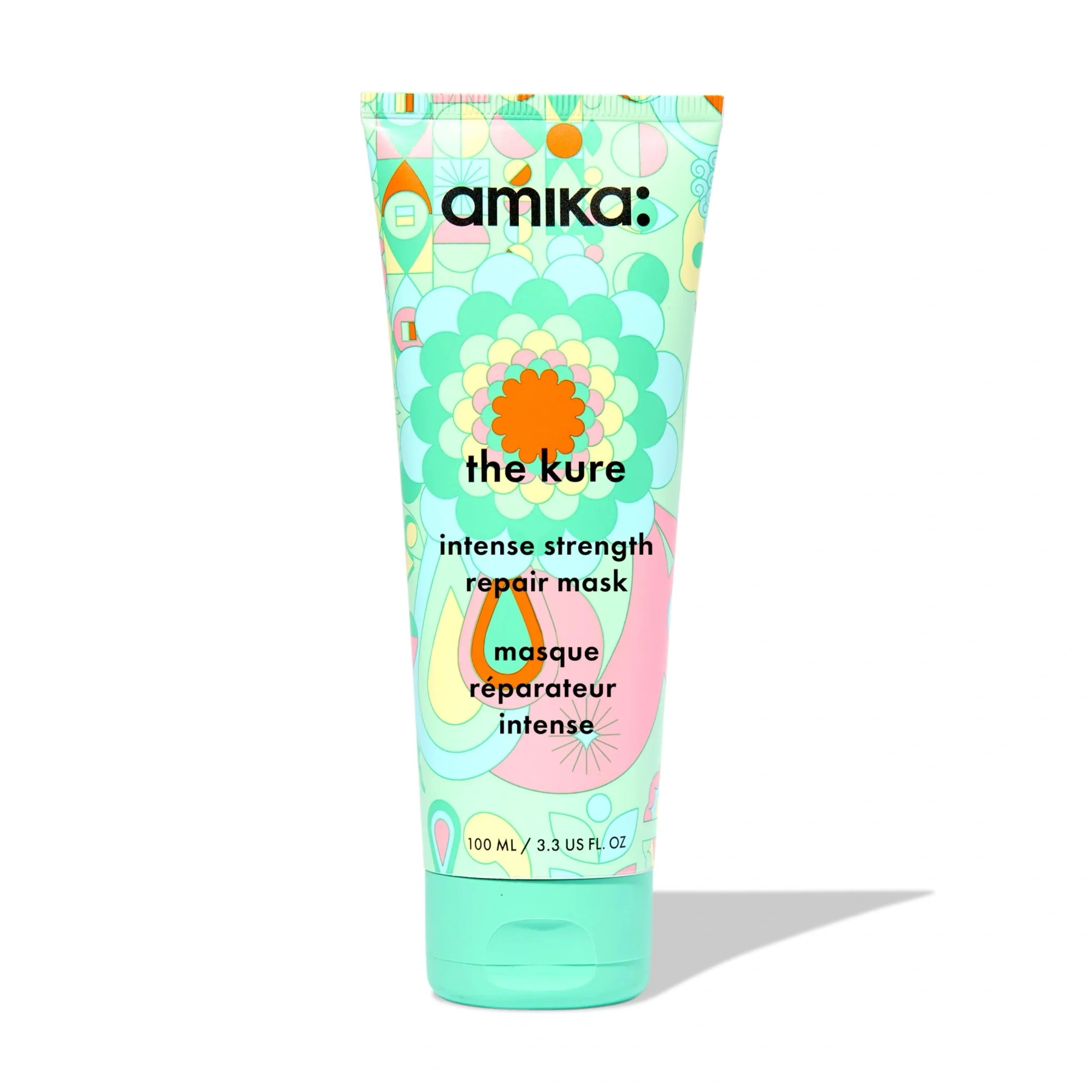
| Amika The Kure Intense Bond Repair Mask | $24.00 | Bond repair and strength | Color-treated or heat-damaged hair |
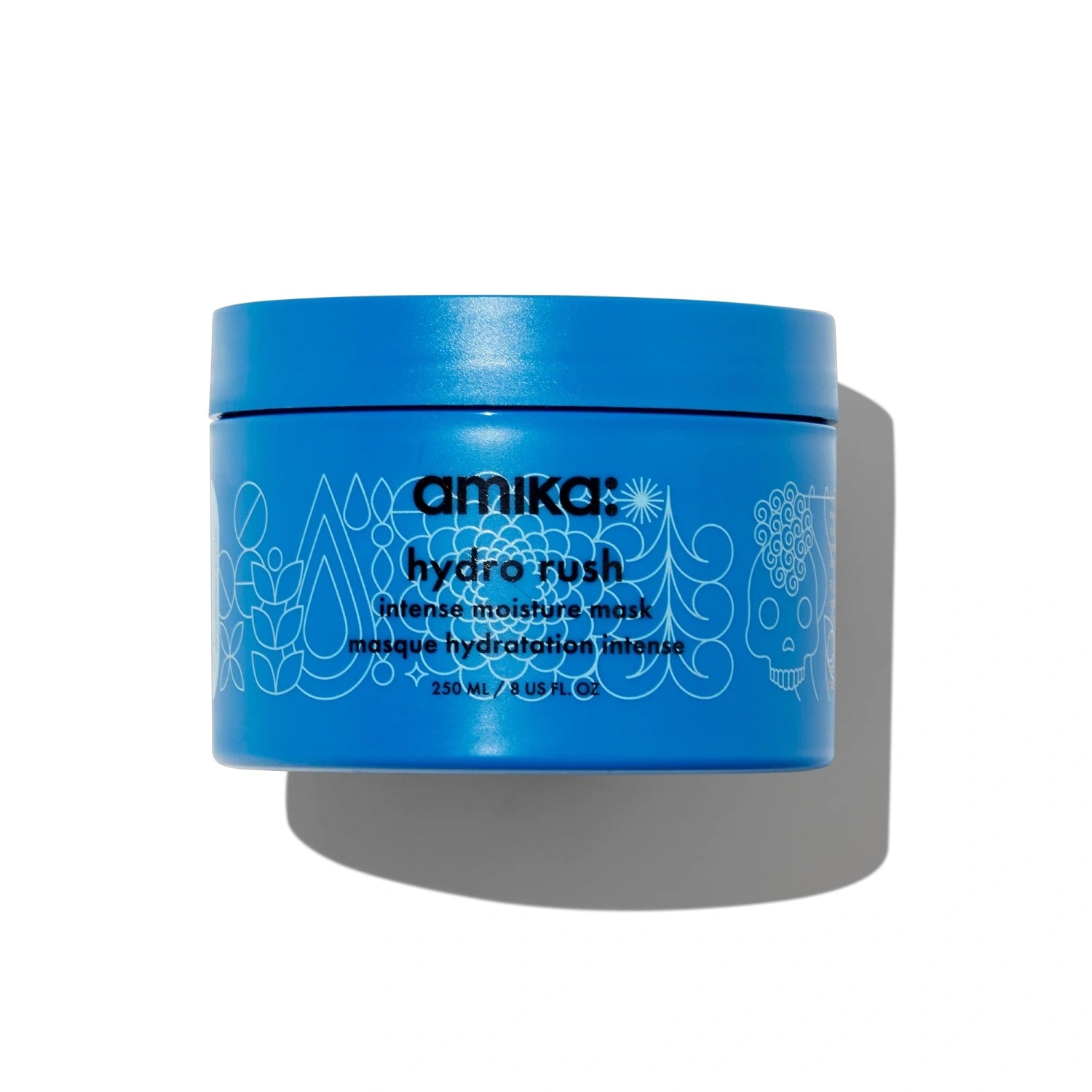
| Amika Hydro Rush Intense Moisture Hair Mask | $24.00 | Hydration | Dry, low-porosity or coarse hair |
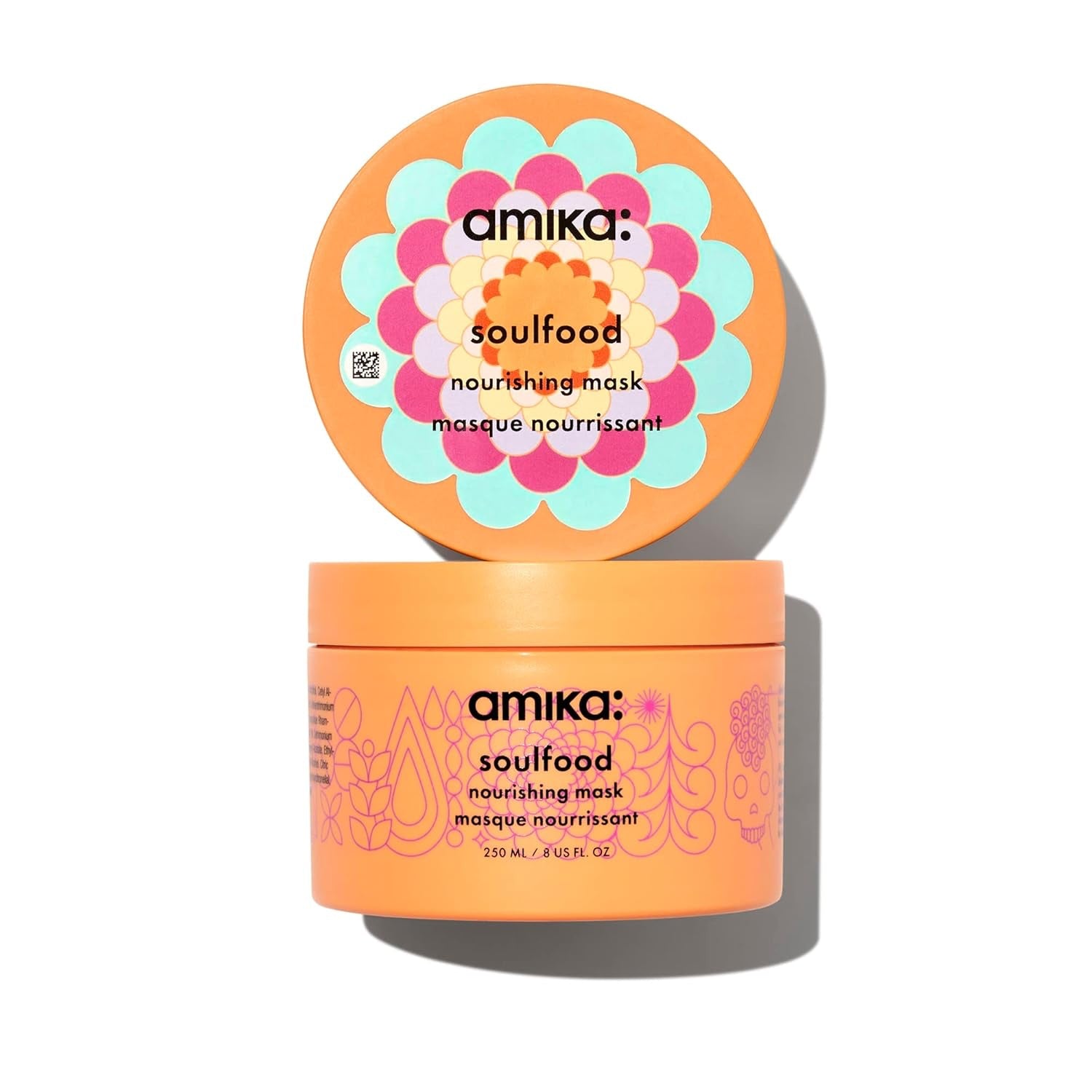
| Amika Soulfood Nourishing Mask | $15.00 | Nourishment and softness | Everyday or weekly use on dry hair |
| Olaplex Weightless Nourishing Mask 200 mL | $44.00 | Lightweight moisture and strength | Fine to medium hair |
Price
Amika The Kure Intense Bond Repair Mask
This mask is built around Bond Cure Technology, which targets the bonds in hair most prone to breakage. The product is listed as color-safe and includes borage oil, shea butter, mango butter and sea buckthorn. Apply it to wet hair after cleansing with The Kure Strength Repair Shampoo, leave it on for 10 minutes, then rinse.
Best for: Damaged, color-treated hair that breaks at the ends. Skip if: Your hair is fine and already feels heavy after conditioning.
Shop the Amika The Kure Intense Bond Repair Mask to see the full listing.
Amika Hydro Rush Intense Moisture Hair Mask
This whipped-texture mask is formulated with hyaluronic acid, squalane and coconut water, and it is silicone-free. Its listing positions it for dry, dehydrated strands. Apply it from mid-lengths to ends, leave it on for 5 to 10 minutes and rinse.
Best for: Dry, thirsty strands that tangle easily. Skip if: Your hair is already very soft and prone to limpness.
Amika Soulfood Nourishing Mask and Olaplex Weightless Nourishing Mask
The Amika Soulfood Nourishing Mask is priced at $15.00. It uses jojoba seed oil and sea buckthorn, and it can be used weekly or as an everyday conditioner, depending on porosity.
The Olaplex Weightless Nourishing Mask costs $44.00 and is designed for fine to medium hair that needs volume and hydration.
Best for: Soulfood for everyday nourishment on a budget; Olaplex for fine hair that needs lightness. Skip if: You have thick, coarse hair that needs heavier treatment (Soulfood), or you want a product for severe breakage (Olaplex).
Shop the Amika Hydro Rush Intense Moisture Hair Mask, the Amika Soulfood Nourishing Mask or the Olaplex Weightless Nourishing Mask to compare directly.
How to Apply a Deep Conditioning Treatment at Home
Applying a deep conditioner correctly matters as much as choosing the right one, and for brittle hair the details, how much, where, how long and how you detangle, determine whether the treatment reduces breakage or adds to it.
Before you start
Shampoo with a gentle cleanser and gently squeeze out excess water so hair is damp, not dripping. Applying to soaking-wet hair dilutes the formula and encourages runoff; applying to fully dry hair makes distribution uneven and can tug at fragile strands.
Amount and placement
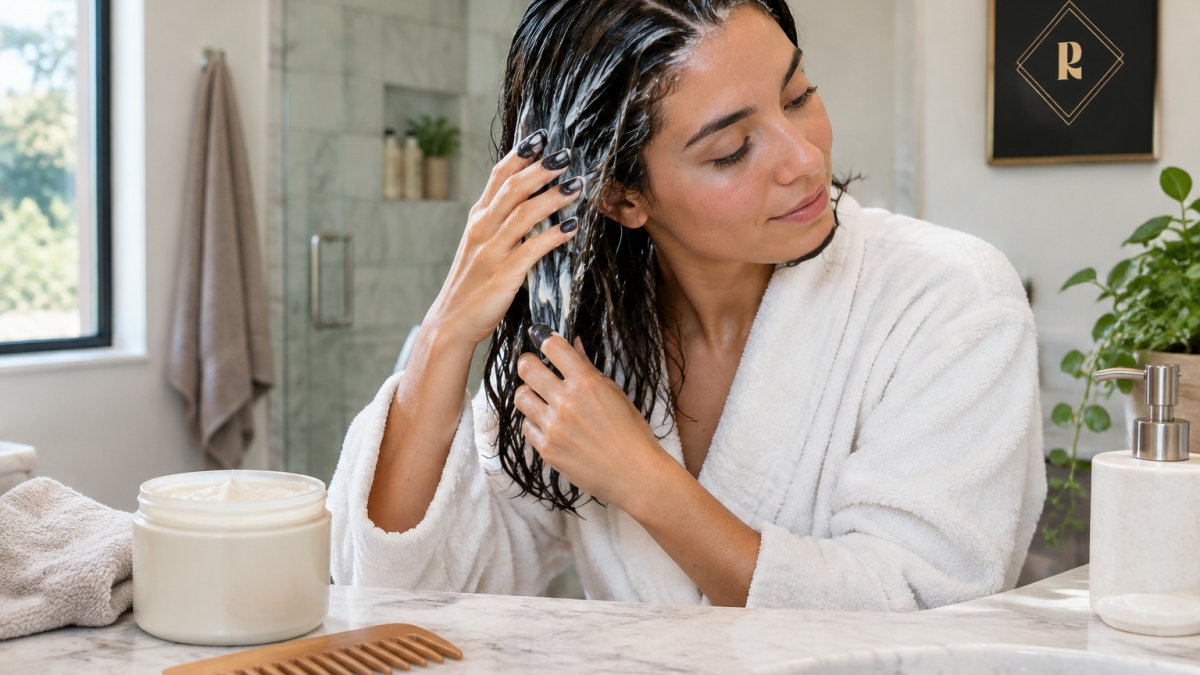
Use roughly a quarter-sized amount for fine hair and a golf-ball-sized amount for thick or coarse hair, adding more only if the mid-lengths and ends still feel uncoated. Apply from mid-lengths to ends first, since that is where breakage concentrates, then work any remaining product upward. Keep the mask off the scalp if your hair is fine or prone to oiliness; scalp application adds weight without benefit and can leave roots limp.
Sectioning and distribution
Divide hair into four to six sections with clips, especially if it is thick or prone to tangling. Working section by section prevents the matting that happens when product is applied to a large mass of fragile hair. Comb each section through with a wide-tooth comb, starting at the ends and working upward in small increments rather than ripping from the roots.
Processing time
Follow the label: most moisture masks need 5 to 10 minutes, bond-repair masks typically 10 minutes, and lightweight masks 3 to 5 minutes, with some allowing up to 20 minutes for very dry hair. More time is not automatically better, leaving a protein or bond-repair mask on far longer than directed can leave hair stiff. A plastic cap or warm towel can help a moisture mask penetrate, but skip added heat with protein treatments.
Rinsing and detangling
Rinse thoroughly with lukewarm water; hot water lifts the cuticle and can increase friction. Residue weighs hair down and makes it look greasy, so rinse until the water runs clear and hair feels slick rather than coated.
Watch out: brushing wet, fragile hair with a fine-tooth brush or a boar-bristle brush causes the exact friction breakage you are trying to prevent, use a wide-tooth comb or fingers only.
How Often to Deep Condition Damaged Hair
Most products are designed for weekly use. Hair that is very damaged or dry may benefit from twice weekly treatments for a short period. Monitor how your hair feels when wet and dry, and reduce frequency if strands feel limp or coated.
Many people deep condition on a fixed schedule without checking results. Adjust your routine based on feel rather than the calendar.
Setting Realistic Expectations for Repairing Brittle Hair
A deep conditioner can reduce breakage caused by dryness and make strands easier to comb, but it cannot permanently rebuild a broken hair shaft.
Softer, smoother and less tangled hair is the most common result of consistent deep conditioning, while visible improvement in breakage typically takes several weeks of consistent care. If breakage continues despite a consistent routine, consider speaking with a dermatologist or trichologist to rule out other causes.
Choosing Your Next Deep Conditioner for Brittle Hair
Start by identifying your main concern: dryness, bond damage or fine hair that needs lightness. Match that concern to the product, then test one mask for at least four weeks before deciding whether it works.
Shop the full range of Roots & Co. hair masks and conditioners to find the right match for your hair. If you want a fuller routine, you can also compare hair care gift sets for damaged, colored hair that pair treatments together.
Thank you!
Thank you for reading. Roots & Co. is here to help you choose the right treatment, and we appreciate you taking the time to learn how to care for brittle hair.
Frequently Asked Questions
Does deep conditioning help with hair breakage?
Deep conditioning can reduce breakage in hair that is dry and rough to the touch, because it softens the strands and makes them easier to detangle without snapping. It does not rebuild a broken strand. Brittle hair that feels stiff, looks dull and tangles easily often responds well to a weekly mask. If breakage continues after several weeks of consistent use, the cause may be heat, chemical processing or mechanical stress, and a change in routine is more useful than a stronger product.
How often should you deep condition brittle hair?
Most brittle hair does well with a deep conditioning treatment once a week. Hair that is very dry or heavily processed may benefit from a second weekly treatment for a short period. Fine hair can often manage with treatments every one to two weeks, since heavier products may weigh it down. Watch how your hair feels after each use. If strands become limp or gummy, reduce frequency. If they still feel rough and tangle quickly, a weekly routine is a reasonable starting point.
Should you use a protein treatment or a moisturizing deep conditioner for breakage?
Start by checking how your hair responds to a moisturizing mask. If it feels soft and detangles easily but still snaps, a protein treatment may help strengthen the strands. If hair turns stiff, brittle or straw-like after a protein product, it likely has too much protein and needs moisture. Many people alternate the two types, using a protein treatment every few weeks and a hydrating mask in between. Avoid using both in the same session unless the product directions say otherwise.
Can a deep conditioner repair split ends or permanently damaged hair?
A deep conditioner cannot reverse split ends or rebuild damaged hair permanently. It can temporarily smooth the cuticle, improve softness and make strands easier to comb, which reduces the chance of further snapping. The only lasting fix for a split end is trimming it off. For hair damaged by bleaching or repeated heat, conditioning and gentle handling can keep the remaining hair in better condition while it grows out.
