
Quick Summary
You can add volume to fine hair without heat by using a light volumizing shampoo, keeping conditioner off the roots, and applying a small amount of lightweight product to the scalp. Drying technique matters too: blot gently, dry the roots first while lifting them, or set them with Velcro rollers.
- Shampoo the scalp rather than the lengths, and rinse thoroughly to avoid residue.
- Condition only the mid-lengths and ends, since heavy conditioner at the roots flattens hair.
- Start with a small, pea-sized amount of foam or tonic and add more only if needed.
- Dry the roots first while lifting them with your fingers so air reaches the scalp.
- If roots go flat by afternoon, check for buildup and try a weekly clarifying wash.
Table of Contents
- How to Add Volume to Fine Hair: Start With the Right Shampoo and Conditioner
- Choosing Lightweight Products That Will Not Weigh Hair Down
- Using Mousse or Gel for Fine Hair Without Buildup
- How to Add Volume to Fine Hair Without Heat: Drying and Rollers
- Step-by-Step Routine for Fine Hair, Plus Troubleshooting
- Haircuts That Help Thin Hair Look Fuller
- Fine Hair Versus Thinning Hair: When to Ask a Professional
- Build Your Fine-Hair Volume Routine at Roots & Co.
- Frequently Asked Questions
Adding volume to fine hair without heat comes down to three things: the right cleansing and conditioning, lightweight products applied in a modest amount, and drying technique that lifts the roots. This guide from Roots & Co. walks through each step, so you can build a routine that gives fine hair body without greasiness or flatness.
Fine hair gets weighed down easily. The strands are thin, so heavy conditioners and thick creams settle at the scalp and flatten the root area. Most of the work happens before you ever pick up a dryer. Start with the wash, and keep the products light.
How to Add Volume to Fine Hair: Start With the Right Shampoo and Conditioner
Your shampoo sets the baseline. A volumizing shampoo cleans the scalp without leaving a film that pulls roots flat. The Amika Big Hit Volumizing Shampoo ($29.00) is formulated for fine to medium hair and uses moisturizing glycerin, so hair stays soft without weight.
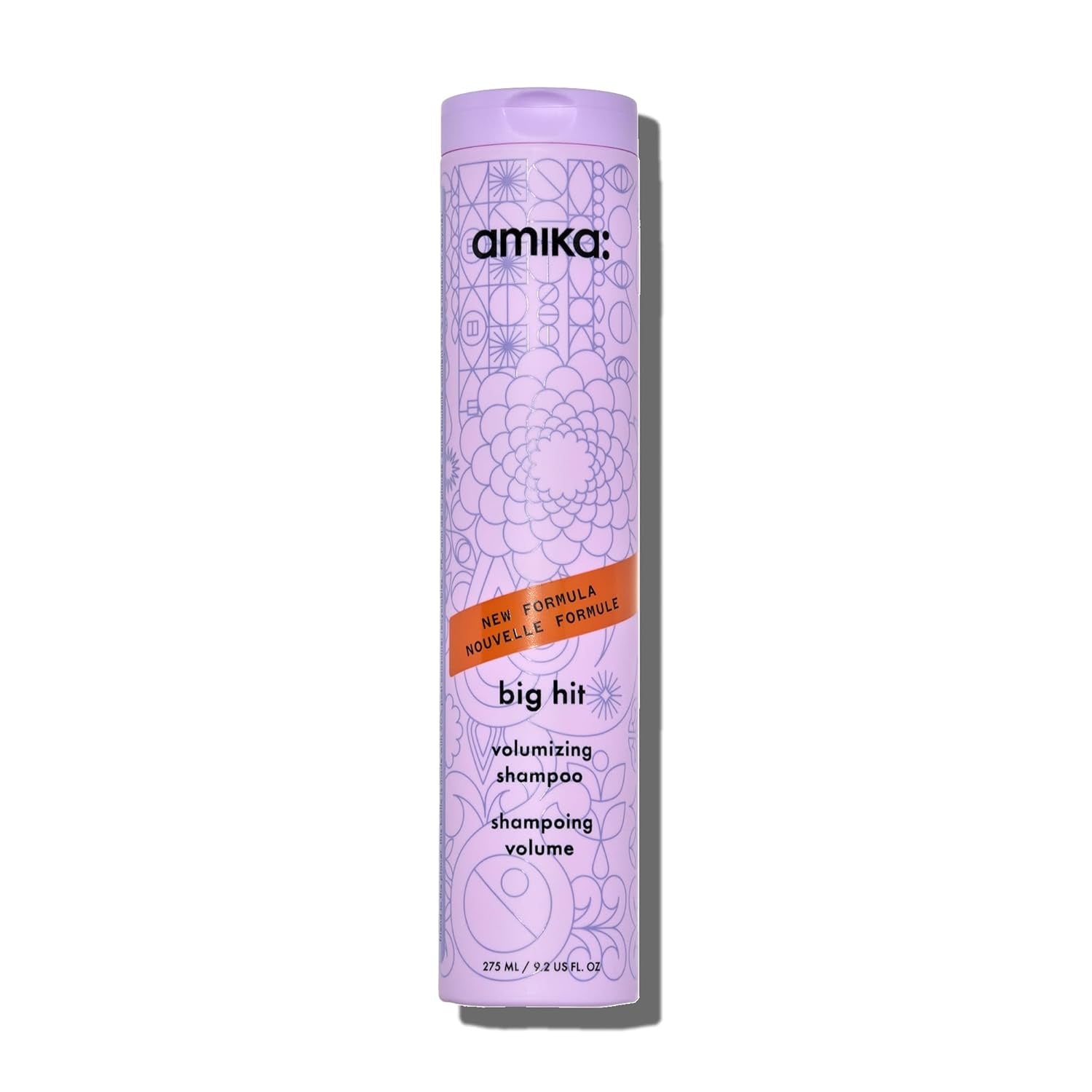
Use a small amount and focus it on the scalp, where oil and buildup collect. Rinse thoroughly. Hair left with residue near the roots looks limp by midday, so a clean rinse matters more than a generous lather.
- Shampoo the scalp, not the lengths. Lengths get enough cleansing from the rinse.
- Condition the ends and mid-lengths only. Keep conditioner away from the roots.
- Use a light conditioner. Heavy formulas are the most common cause of flat fine hair.
Watch out: Piling on conditioner to fix dryness at the ends often flattens the crown. Apply it only where hair needs softness.
Choosing Lightweight Products That Will Not Weigh Hair Down
Lightweight products are the core of a fine-hair routine, but the label matters less than the formulation. The goal is a product that lifts and adds texture without leaving a coating that pulls roots flat by midday. Lightweight formulas are generally better suited to fine hair, while heavy oils, butters, and thick creams can settle at the scalp and flatten the root area.
Read the ingredient list before you buy, and check how heavy the formula is likely to feel. Heavier oils and butters near the top of the list usually signal a product better suited to the mid-lengths and ends than to the roots.
Application amount matters as much as formulation. Using too much product tends to leave residue that attracts oil and makes the root area look greasy sooner, so start with a small amount and add more only if needed.
Where you apply it can change the result. Root-lifting sprays and tonics are typically applied to damp hair at the scalp, while dry texturizing products are generally better suited to refreshing a style than building one from scratch. Conditioner, by contrast, goes on mid-lengths to ends only, because the roots do not need added softness and the coating is what flattens them.
Watch out: Layering a tonic, a foam, and a powder on the same wash day is the most common cause of buildup that leaves fine hair flat and stiff. Pick one root product per wash day and add a second only if the first is not enough.
Best for: Fine hair that falls flat within a few hours of washing, a lightweight tonic at the roots plus a light conditioner on the ends. Skip if: Your hair is already heavy with product buildup. Clarify first, then add lightweight styling products back in slowly, one at a time, so you can tell which one your hair tolerates.
Using Mousse or Gel for Fine Hair Without Buildup
Mousse gives body and lift at the roots, but too much leaves a sticky film. The Living Proof Full Texturizing Foam ($23.80) is a dry foam designed to deliver 3x more texture and a lightweight, long-lasting style. It works on wet or dry hair.
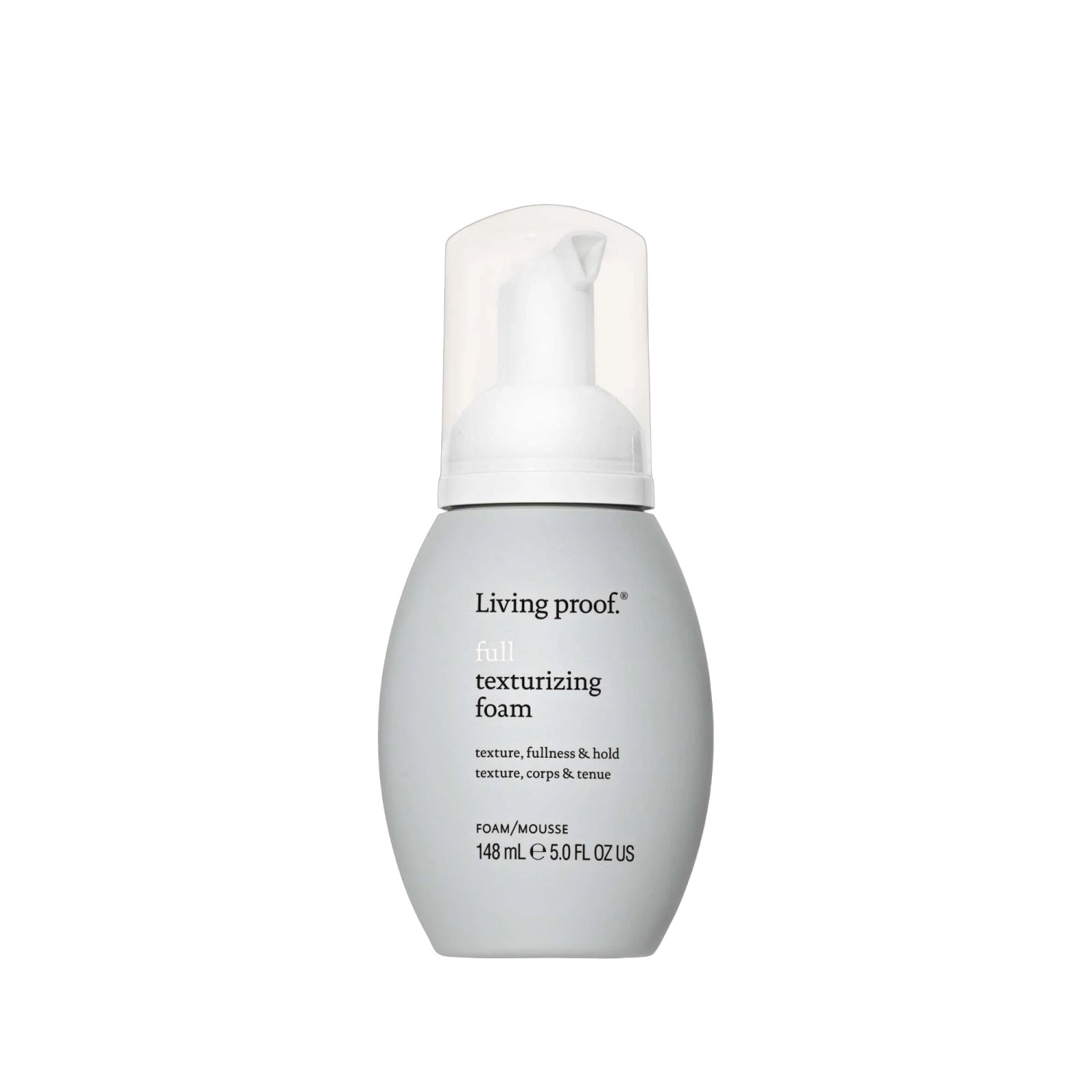
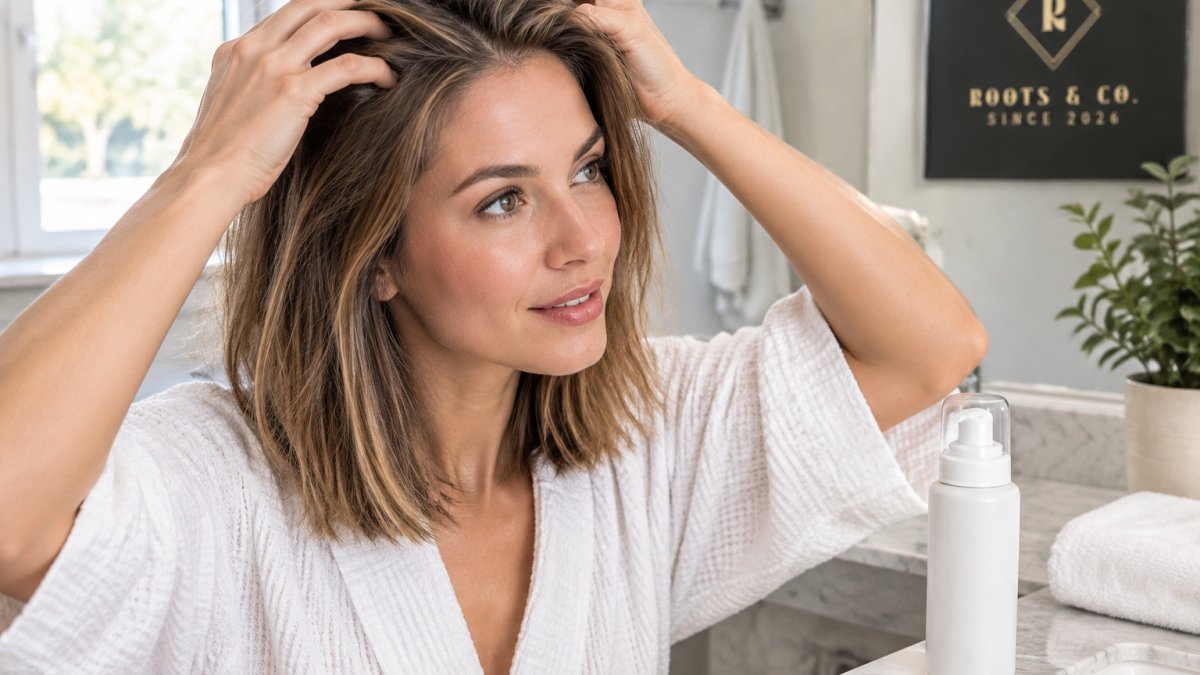
Start with a small amount and work it through the roots with your fingertips, then style. Adding more product can weigh the strands down and make the root area look greasy sooner.
- Start with the smallest amount you can spread evenly.
- Apply to damp, detangled hair for body, or to dry hair for extra texture.
- Scrunch or finger-style the roots rather than brushing product through them.
How to Add Volume to Fine Hair Without Heat: Drying and Rollers
Heat-free volume comes from how you dry and set your hair, and the sequence matters more than the tools. Start by blotting hair with a towel rather than rubbing it, rubbing roughs up the cuticle and makes fine hair look dull and limp. Then flip your head forward and dry the roots first, lifting them with your fingers so air reaches the scalp. Drying the roots before the lengths is what sets lift that lasts past lunch.
Velcro rollers can add volume without a heat tool. Roll sections at the crown while hair is still damp, then let them sit until fully dry. Remove them gently and rake your fingers through the roots to soften the set. Round-brush drying is another option: lift each section at the root and roll the brush toward the ends while you dry. If you use a dryer, keep it on the lowest heat that still dries the hair and move it continuously so no one spot overheats. A heat protectant applied to damp hair before drying can help limit damage.
Watch out: Rolling damp hair too tightly can create a flat, tight curl pattern rather than soft lift, and leaving rollers in until the hair is bone dry can make the set stiff. Keep the rollers loose, sized for your desired bend, and remove them once the hair feels dry to the touch.
When volume falls flat, it helps to troubleshoot. If roots look greasy by afternoon, the cause may be too much product at the scalp or conditioner that crept too close to the roots, so reduce the amount and keep conditioner on the mid-lengths and ends. If the hair feels stiff or coated, buildup may be the issue, and a clarifying wash can help reset it. If the hair is dry but still flat, adding moisture to the mid-lengths only, not the roots, is a reasonable adjustment.
To keep volume through the day, refresh the roots rather than re-styling the whole head. Flip the hair forward, lift the roots with your fingers or a brush, and apply a small amount of dry foam or texturizing powder at the crown. Avoid running your hands through the hair repeatedly, since hands can transfer oil to the roots.
Step-by-Step Routine for Fine Hair, Plus Troubleshooting
Here is a simple routine to follow:
- Shampoo the scalp with Amika Big Hit Volumizing Shampoo, then rinse well.
- Condition mid-lengths to ends only, using a light formula.
- Blot hair with a towel until damp, not dripping.
- Spray Aveda Thickening Tonic at the roots.
- Apply one pea-sized amount of Living Proof Full Texturizing Foam through the roots.
- Set Velcro rollers at the crown, or dry with a round brush while lifting the roots.
- Let hair dry fully before removing rollers, then rake fingers through the roots.
If hair goes flat by afternoon, check for buildup first. Switch to a clarifying wash once a week and reduce the amount of product you use. If hair feels dry while staying flat, add moisture to the mid-lengths only, using the Olaplex Weightless Nourishing Mask ($44.00) once or twice a week, rinsed well.
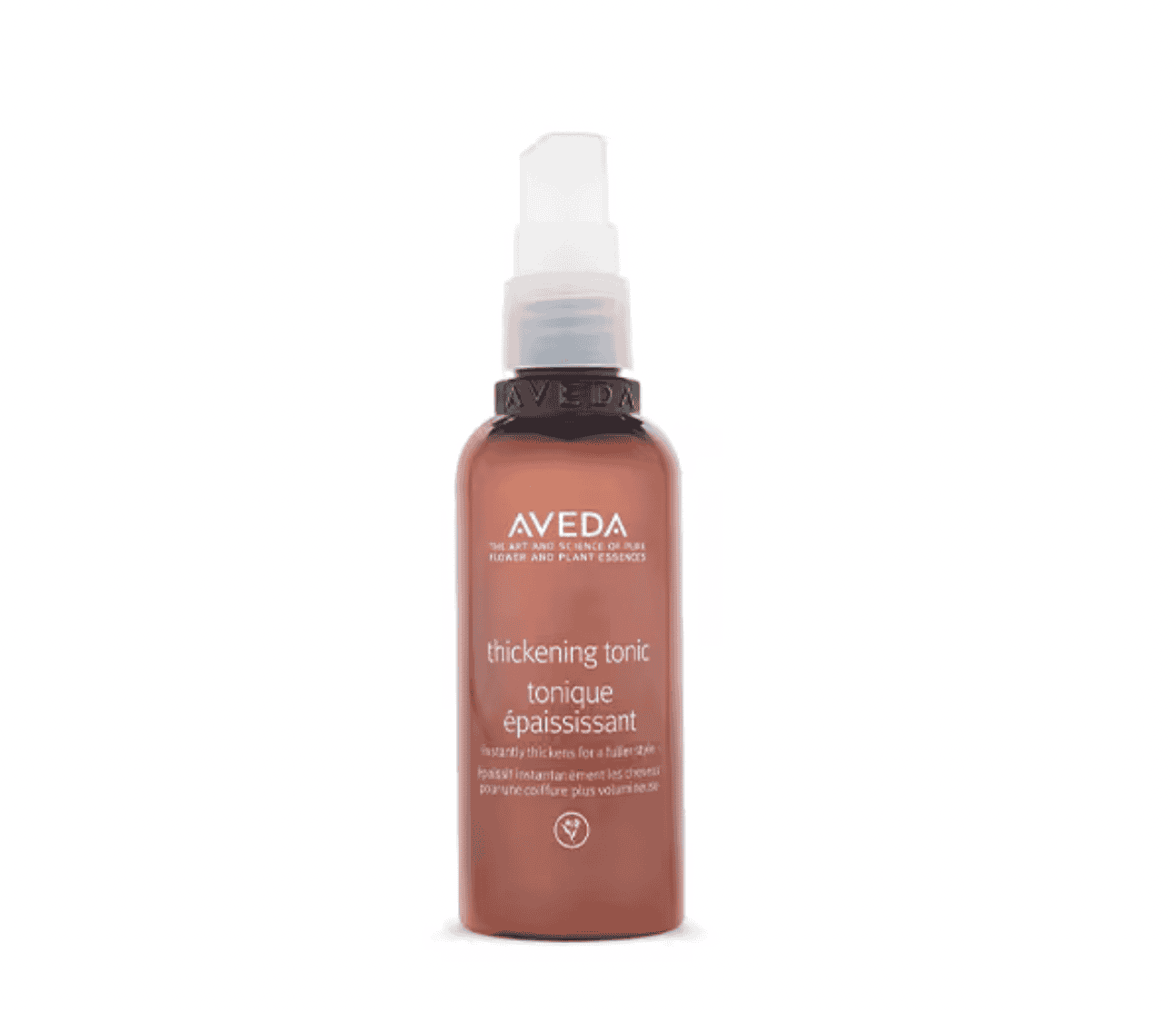
The routine below lays out each step in order, with the product named for that step and the timing to follow, so you can see where each product fits.
| Step | What to do | Product or note |
|---|---|---|
| 1 | Shampoo the scalp, then rinse well | Amika Big Hit Volumizing Shampoo |
| 2 | Condition mid-lengths to ends only | Light formula |
| 3 | Blot hair until damp, not dripping | Towel |
| 4 | Spray at the roots | Aveda Thickening Tonic |
| 5 | Work through the roots | One pea-sized amount of Living Proof Full Texturizing Foam |
| 6 | Set or dry for lift | Velcro rollers or round brush |
| 7 | Fully dry, then rake through roots | Remove rollers gently |
Haircuts That Help Thin Hair Look Fuller
A good cut can help fine hair look fuller. Layers can add movement and lift, and a stylist can suggest a shape that suits your hair's density.
Bring photos of cuts you like and describe how you currently style your hair. That gives your stylist what they need to suggest a shape that suits your hair's density.
Fine Hair Versus Thinning Hair: When to Ask a Professional
Fine hair means thin strands, but a normal density. Thinning hair means fewer hairs on the scalp, and that is a different problem. If you notice more hair loss than usual, scalp changes, or patches that keep getting wider, talk to a doctor or dermatologist (the American Academy of Dermatology). Styling products can make fine hair look better, but they are not a treatment for thinning.
If you are unsure which applies to you, a professional can assess your scalp and hair density and suggest next steps.
Build Your Fine-Hair Volume Routine at Roots & Co.
Volume for fine hair starts with a light wash, a little product applied to the roots, and careful drying. Roots & Co. carries several of the products in this guide, so you can build part of the routine in one place. Start with the Amika Big Hit Volumizing Shampoo, add the Aveda Thickening Tonic for lift, and try the Living Proof Full Texturizing Foam when you want more body. Shop the full hair collection at Roots & Co. and find the products that fit your fine-hair routine.
Frequently Asked Questions
How do I give my fine hair more volume?
Start with a volumizing shampoo and a lightweight conditioner applied only to the mid-lengths and ends, since heavy conditioner on the roots is the most common cause of flat fine hair. Blot wet hair with a towel, apply a root-lifting product or a small amount of mousse to damp roots, then dry upside down with a round brush. Choose products labeled lightweight or weightless and use only a small amount, because buildup is what makes thin hair look limp by midday.
Is mousse or gel better for fine hair?
For most fine hair, mousse is the better choice because it adds body and hold without the stiffness and flaking that gel can leave behind. Gel gives stronger hold for sleek styles but can weigh roots down if you use too much. Apply either product to damp roots, use a small amount, and avoid layering several products, which is a frequent reason fine hair looks greasy or heavy.
Can volumizing shampoo help fine hair look fuller?
A volumizing shampoo can help fine hair look fuller by cleaning away oil and product residue that flatten the roots, and some formulas add lightweight moisture that does not weigh strands down. Roots & Co. carries Amika Big Hit Volumizing Shampoo at $29.00, which is formulated for fine to medium hair and is silicone and paraben-free. Pair it with a lightweight conditioner on the lengths only for the best results.
What should you avoid doing with fine, thin hair?
Avoid heavy conditioners, oils and butters on the scalp, and avoid stacking multiple heavy styling products, since each layer adds weight that pulls roots flat. Also avoid brushing wet hair aggressively, which can cause breakage and make hair look thinner. Keep heat tools on a medium setting and use a heat protectant, because repeated high heat can damage fine strands and reduce the body you are trying to build.
