
Last Updated: November 16, 2026
Quick Summary
To control frizzy hair, restore moisture inside the strand and seal the cuticle so outside humidity stays out. Match product weight to your porosity and density first, then use a weekly moisture mask plus a daily leave-in or oil on ends.
- Low porosity hair absorbs water-based leave-ins and lightweight milks better than heavy butters.
- High porosity hair needs richer masks, sealing oils, and creams with film-forming ingredients.
- Apply products from thinnest to thickest consistency so each layer can reach the strand.
- Use a moisture mask weekly and a daily leave-in or oil on ends for dry frizzy hair.
- Apply curl stylers to soaking-wet hair, since water helps form the curl grouping.
Table of Contents
- Why Frizz Happens and What Your Products Must Do
- How to Match Anti-Frizz Hair Products to Your Texture and Porosity
- The Best Product for Dry Frizzy Hair: Masks, Oils, and Leave-Ins
- Anti-Frizz Hair Products for Curly Hair That Hold Definition
- Leave-In Conditioner for Frizzy Hair: What to Look For
- A Frizz-Control Hair Routine in the Right Order
- Humidity, Heat Styling, and Flyaways: Troubleshooting by Cause
- Building Your Frizz-Control Set at Roots & Co.
- Frequently Asked Questions
Why Frizz Happens and What Your Products Must Do
Frizz is the result of dry, damaged hair cuticles absorbing moisture from the air and swelling unevenly.
A 2015 review in the International Journal of Trichology explains how shampoos, conditioners, and treatments interact with the hair shaft. The takeaway for shoppers: cleansers strip, conditioners restore, and stylers seal. Skip any of the three and frizz returns.
Here is what most product guides get wrong. They sell you a smoothing serum without asking why your hair is frizzy in the first place.
Match the product to the cause, and results follow.
How to Match Anti-Frizz Hair Products to Your Texture and Porosity
Texture and porosity decide which anti-frizz hair products actually work on your hair. Porosity describes how easily your strands absorb and hold moisture, and it matters more than curl pattern alone. Density, how many strands per square inch, and curl pattern then fine-tune the weight of the formula you choose.
Read porosity first
- Low porosity: the cuticle lies tight and resists moisture. Water-based leave-ins and lightweight milks absorb better than heavy butters, and warming the product between your palms before applying helps it spread. Look for humectants low on the ingredient list so the formula does not sit on top of the strand.
- High porosity: the cuticle is raised, so strands absorb fast and lose moisture just as fast. Richer masks, sealing oils, and creams with film-forming ingredients slow that water loss. Protein can help here, but see the sensitivity notes below.
- Medium porosity: most formulas work. Choose based on density and how much hold your style needs rather than on porosity alone.
Then adjust for density and curl pattern
- Fine, low-density hair: anything heavy weighs strands down and flattens roots. Choose silicone-free, oil-free leave-ins and apply them to mid-lengths and ends only.
- Medium-density hair: a leave-in plus a light cream covers most days; add oil only on ends.
- Coarse or high-density hair: thicker strands tolerate butters, oils, and cream stylers, and they usually need more product per section to coat the surface evenly.
- Wavy hair (type 2): lightweight mousses and milks preserve the loose pattern; heavy creams pull waves straight.
- Curly hair (type 3): creams and gels applied to soaking-wet hair group curls and hold definition.
- Coily hair (type 4): layered leave-in, butter, and oil seal moisture over many days between washes.
Ingredient-level guidance
- Humectants such as glycerin, provitamin B5, and hyaluronic acid pull water toward the strand. They help in dry indoor air but can backfire in high humidity, when they draw moisture from the air into the hair and swell the cuticle.
- Emollients and oils such as jojoba, batana, and sea buckthorn smooth the surface and slow moisture loss. They seal; they do not add water, so apply them over a damp leave-in.
- Silicones coat the cuticle and give instant slip and shine. Non-water-soluble silicones can build up on fine or low-porosity hair, so alternate with a clarifying wash.
- Proteins fill gaps in damaged cuticles. Hair that is already strong and low-porosity can feel stiff or brittle with frequent protein treatments, so rotate them with moisture-focused masks.
- Fragrance is a common irritant for sensitive scalps. If you react to scented products, patch-test on a small section first and favor fragrance-free or lightly scented formulas.
A common mistake is buying the richest mask on the shelf when your hair is fine. Match the formula weight to porosity and density first, then adjust for curl pattern and any ingredient sensitivities.
The Best Product for Dry Frizzy Hair: Masks, Oils, and Leave-Ins
The best product for dry frizzy hair is a moisture mask used weekly, paired with a daily leave-in or oil on ends. Masks repair; daily products maintain. You need both.
Deep Conditioning Masks for Dry, Brittle Strands
Start with a mask that delivers lasting hydration. The Amika Hydro Rush Intense Moisture Hair Mask with Hyaluronic Acid is designed for dry, brittle, dehydrated strands, including low-porosity or coarse textures.
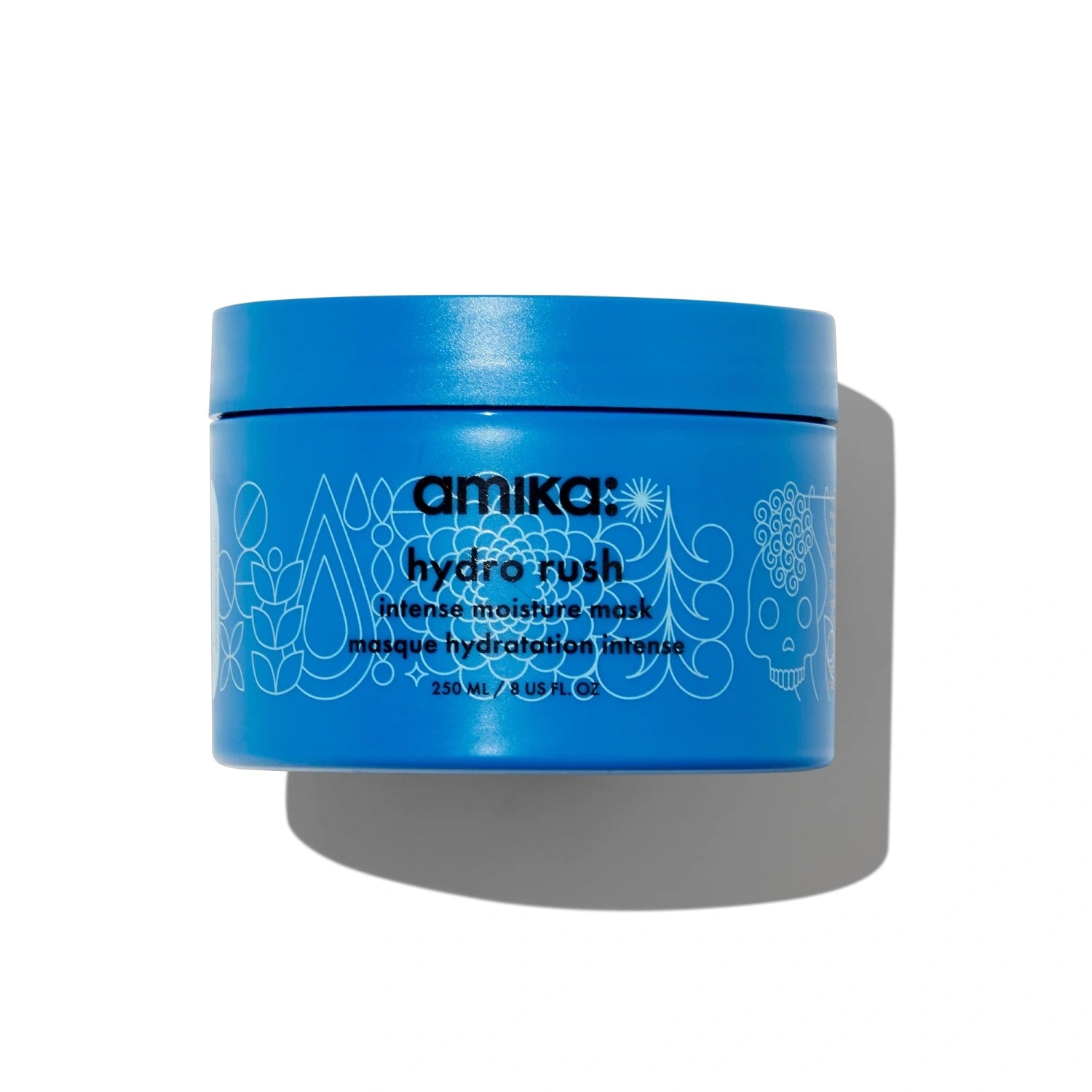
If you want a lighter weekly option, Amika Soulfood Nourishing Mask ($15.00) hydrates without weight, and its jojoba and sea buckthorn blend smooths strands. Use it as an everyday conditioner if your hair is high porosity.
Oils and Leave-In Treatments for Daily Moisture
Daily moisture is where frizz control is won or lost. The Lush Locks 100% Pure Natural Batana Hair Oil is a single-ingredient oil in a 2 fl oz glass dropper bottle, and a few drops on damp ends can be applied as a sealing step before exposure to humidity.
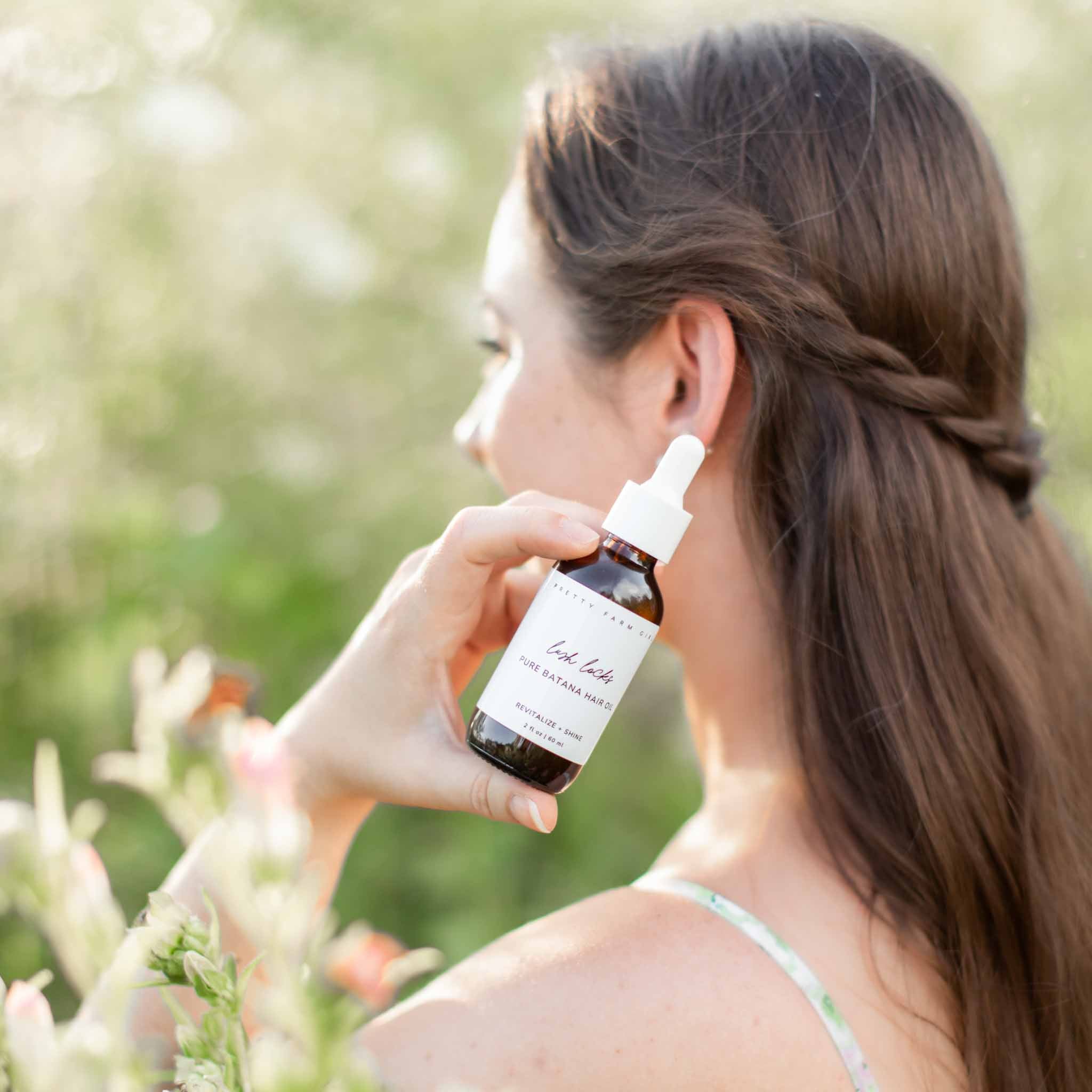
For damaged or color-treated hair, Living Proof Restore Instant Repair Cream ($23.80) is a leave-in treatment designed to correct and treat hair before, during, and after styling. It is sulfate-free, silicone-free, and oil-free, so fine hair can use it without grease.
Anti-Frizz Hair Products for Curly Hair That Hold Definition
Curl definition and frizz control are not opposites, but the products that deliver both are built differently.
The Living Proof Curl Definer is a conditioning styler formulated to enhance curl definition and control frizz with weightless conditioning.
For second- and third-day hair, Amika Power Hour Curl Refreshing Spray ($30.00) revives curl shape and seals in moisture between wash days.
Apply curl stylers while hair is still wet, since water is what helps form the curl grouping.
Leave-In Conditioner for Frizzy Hair: What to Look For
A leave-in conditioner for frizzy hair should do three things: detangle, add moisture, and provide light hold without buildup. Check the label for silicone-free formulas if you style daily, and look for humectants like provitamin B5 or glycerin near the top of the ingredient list.
The Amika The Wizard Detangling Hair Primer covers all three. It detangles, tames frizz, and is designed to protect hair from heat, which makes it a useful base layer before blow-drying. Mist it on damp mid-lengths and ends, comb through, then style.
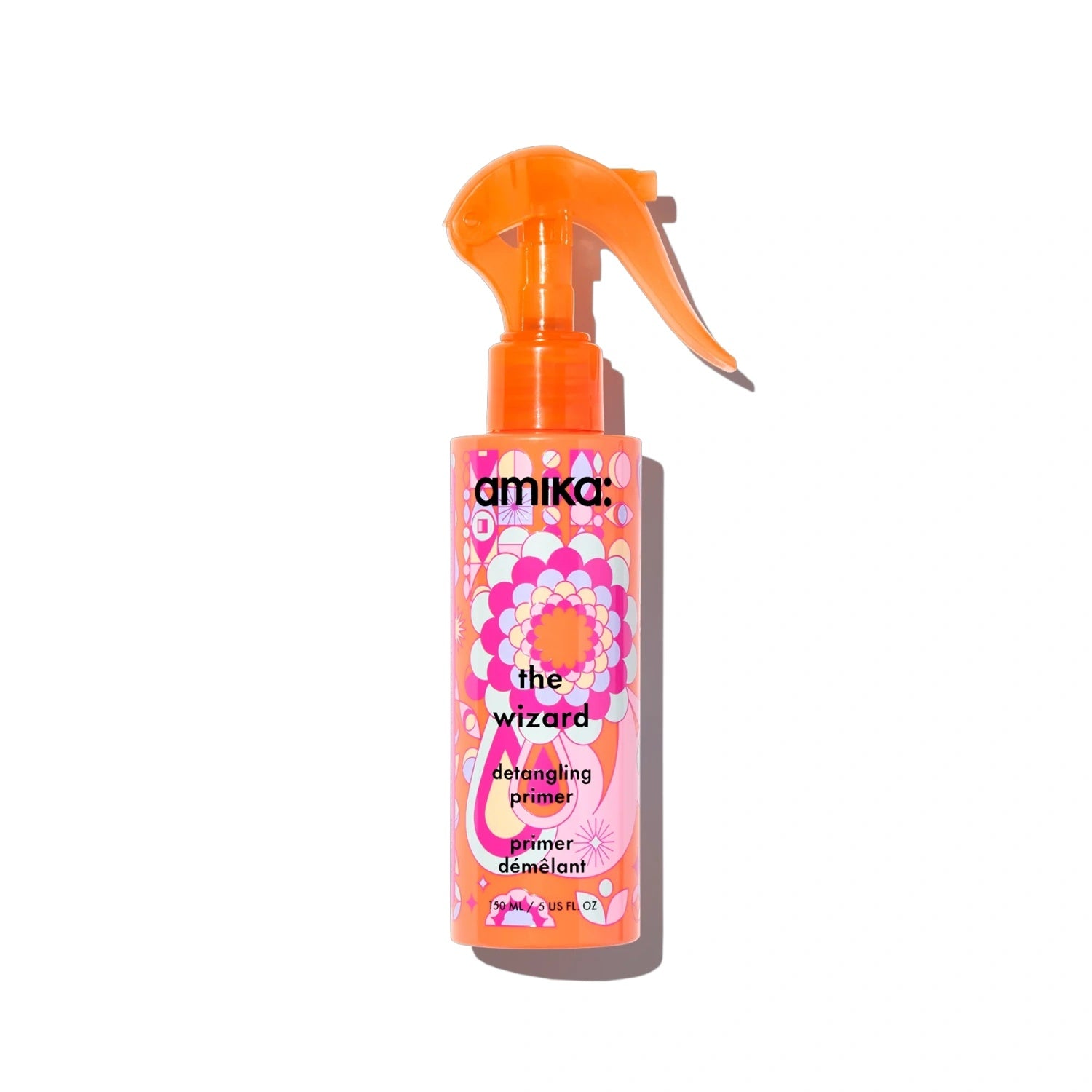
If your hair is fine, one lightweight leave-in is enough. Layering a primer, a cream, and an oil is how product buildup starts.
A Frizz-Control Hair Routine in the Right Order
Order matters more than product count. Apply products from thinnest to thickest consistency so each layer can reach the strand; a heavy cream applied before a watery leave-in blocks the lighter product from absorbing. The routine below works for most textures, with the adjustments noted after the steps.
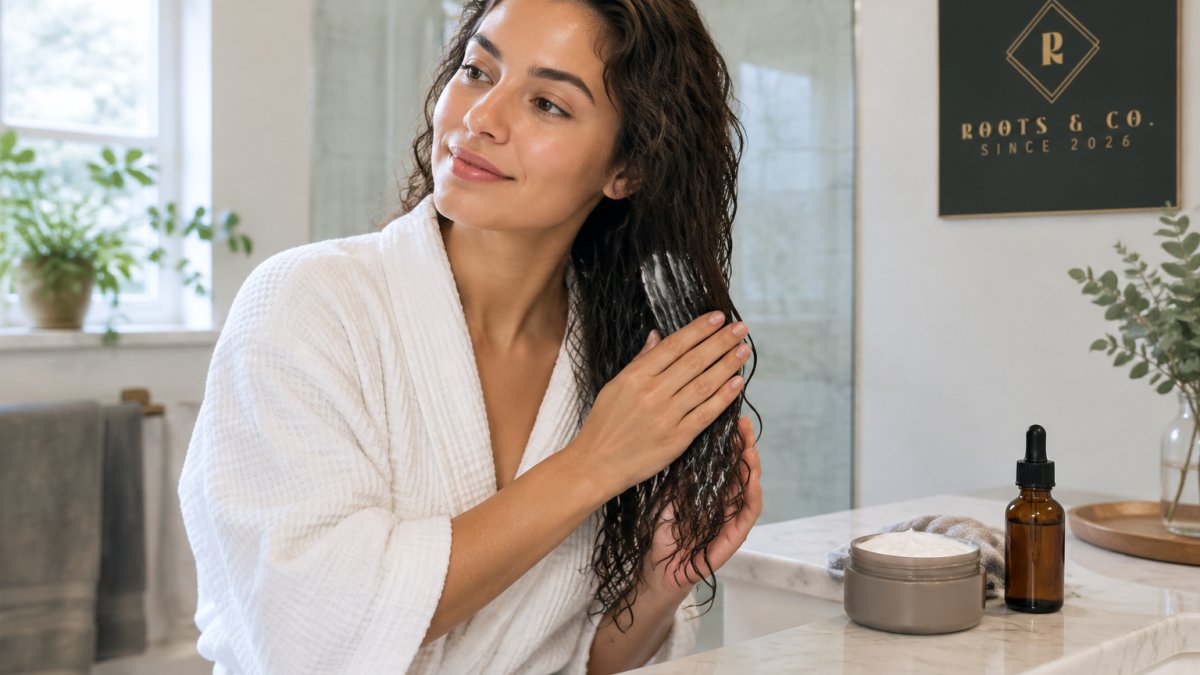
Application Order and Amounts That Prevent Buildup
- Cleanse with a sulfate-free shampoo, focusing on the scalp only. Let the suds rinse through the ends rather than scrubbing them.
- Condition or mask from mid-lengths to ends. Rinse after 5-10 minutes for a mask, or follow the label for a daily conditioner.
- Leave-in or primer on damp hair: one to two pumps or four to five mists, raked through with fingers or a wide-tooth comb.
- Oil on ends only: two to three drops, warmed between palms and pressed in rather than rubbed.
- Styler for hold: a quarter-size amount for curls, less for waves, applied in sections.
- Dry with a diffuser on low heat or air-dry. Keep hands off the hair while it dries; touching it as it sets is a common frizz trigger.
| Step | Product Type | Amount | Frequency |
|---|---|---|---|
| Cleanse | Sulfate-free shampoo | Quarter-size | Every 2-3 days |
| Treat | Mask | Nickel-size to quarter-size | Weekly |
| Prime | Leave-in or primer | 1-2 pumps | Every wash |
| Seal | Oil | 2-3 drops | Daily, ends only |
| Style | Curl definer or spray | Quarter-size | Every wash |
What changes with heat styling versus air-drying
Heat styling can give a smooth finish, and the result depends on the tool and the protectant used. Air-drying preserves more natural texture but leaves the cuticle more exposed to humidity, so a sealing oil or leave-in matters more.
Realistic expectations
No product permanently cures frizz. Results also vary by hair type: coarse, high-porosity hair usually needs more product and a heavier seal than fine hair. Treat the routine as maintenance, consistent weekly masking plus daily sealing does more over a month than any single product does in a day.
Watch out: layering a primer, a cream, and an oil on fine hair is how product buildup starts. If hair feels coated or limp, drop one layer and clarify before adding anything new.
Humidity, Heat Styling, and Flyaways: Troubleshooting by Cause
Diagnose the cause before buying another product. Each frizz trigger has a different fix.
- Humidity frizz: your cuticle is porous and drinking the air. Seal damp ends with oil or a leave-in before heading outside.
- Heat-styling frizz: damage has roughened the cuticle. Use a heat protectant primer and cut back on the highest heat setting.
- Static and flyaways: usually dryness or friction. A drop of oil smoothed over the surface, or the Amika Power Hour Curl Refreshing Spray on dry hair, settles stray hairs fast.
- Frizz at the roots: often buildup. Clarify once or twice a month and keep conditioner off the scalp.
Building Your Frizz-Control Set at Roots & Co.
Frizz control comes down to three layers: moisture, sealing, and hold. Get the order right, match the weight of each product to your texture, and most frizz becomes manageable within a few wash days.
At Roots & Co., we curate salon-quality hair care from brands like Amika and Living Proof so you can build one routine instead of guessing across a dozen tabs.
Build your routine with Roots & Co. and give your strands the moisture, strength, and definition they have been missing. Thank you for reading.
Choosing the right products for frizzy hair is less about finding a miracle bottle and more about matching moisture, weight, and hold to your own strands.
Frequently Asked Questions
What is the best product for really frizzy hair?
There is no single winner, because frizz usually comes from dryness or cuticle damage rather than one missing product. Start with a deep conditioning mask once a week, such as Amika The Kure Intense Bond Repair Mask at $24.00, then add a leave-in like Living Proof Restore Instant Repair Cream at $23.80 on wash days. For curls, a styler such as Living Proof Curl Definer at $26.60 delivers 90% frizz control. Match the formula to your texture and porosity instead of chasing one hero product.
Which anti-frizz hair products for curly hair actually hold definition?
Look for stylers that define curl groupings without crunch. Living Proof Curl Definer is a conditioning styler that provides frizz control even in humidity and works on wet hair, scrunched in and air-dried or diffused on low heat. Between wash days, Amika Power Hour Curl Refreshing Spray at $30.00 revives second- or third-day curls and seals in moisture. Apply stylers to wet hair, not damp, so the curl pattern sets before it can frizz.
How do you build a frizz-control hair routine for dry hair?
Cleanse, then treat with a mask once a week, apply a leave-in to damp mid-lengths and ends, and finish with a heat protectant before styling. Amika Hydro Rush Intense Moisture Hair Mask at $24.00 is designed for dry, dehydrated strands, including low-porosity or coarse textures. Amika The Wizard Detangling Hair Primer at $32.00 is designed to protect hair from heat while helping to tame frizz. Keep application to mid-lengths and ends to avoid product buildup at the roots.
Can hair masks help with frizzy hair?
Yes, when the frizz comes from dryness or damage. A weekly mask restores moisture and smooths the cuticle, which is what reduces the rough texture that catches humidity. Amika Soulfood Nourishing Mask at $15.00 is lightweight enough for weekly use on normal or low-porosity hair, while high-porosity hair can use it as an everyday conditioner. Leave it on for five to ten minutes, rinse well, and follow with a leave-in conditioner for frizzy hair to lock in the result.
Prices of Anti-Frizz Hair Products
