
Last Updated: November 22, 2026
Quick Summary
Bond repair treatments reinforce the internal bonds that hold hair together, which heat, color, and bleaching break down. For fine hair, choose a lightweight formula, apply it from mid-lengths to ends, and rinse thoroughly so the strands don't get weighed down.
- Bond repair targets internal disulfide bridges and hydrogen bonds, not the surface of the hair.
- Fine strands have less cortex, so they can be weighed down by heavy masks.
- Apply a pea-sized amount for shoulder-length hair, from mid-lengths to ends.
- Bond repair strengthens strands but does not regrow hair or add density.
- Use bond repair for bleach, color, or perm damage, and protein for overprocessing signals like stretchy, gummy hair.
Table of Contents
- How Bond Repair Works and Why Fine Hair Reacts Differently
- Fine Hair vs. Low-Density Hair: Why the Difference Matters for Treatment Choice
- Bond Builder vs. Protein Treatment: Which Does Fine Hair Need?
- Comparing the Five Roots & Co. Bond Repair and Support Picks
- Bond Repair for Color-Damaged Hair: What to Look For
- Lightweight Repair Treatments for Fine Hair: Application and Dosage
- Building a Hair Bonding Treatment Routine at Home
- Choose Your Bond Repair Treatment and Start This Week
- Frequently Asked Questions
How Bond Repair Works and Why Fine Hair Reacts Differently
Bond repair treatments are designed to reinforce the internal disulfide bridges and hydrogen bonds that hold hair together. When those bonds break, through heat styling, coloring, bleaching, or chemical processing, strands become weaker and more prone to breakage. Researchers led by S. El Khatib have studied chemical approaches to regenerating these disulfide bridges, and their work is a useful reference for understanding the science behind the category (Chemical Characterization and In Vitro Analysis of Thiol Cross-Linking hair repair study).
Fine hair reacts differently because each strand has a smaller diameter and less cortex to absorb product. A treatment that feels nourishing on coarse hair can leave fine strands limp or coated. For that reason, the weight and application method matter as much as the active ingredients.
Fine Hair vs. Low-Density Hair: Why the Difference Matters for Treatment Choice
Fine hair and low-density hair get used interchangeably in product marketing, but they describe two different things, and the distinction changes which bond repair treatment makes sense for you.
Fine hair refers to the diameter of an individual strand. If you can barely feel a single strand between your fingers, or it disappears against a dark surface, you likely have fine hair. Strand diameter is largely genetic.
Low-density hair refers to how many strands grow per square inch of scalp. You can have fine strands and high density (a lot of thin hairs), coarse strands and low density (fewer thick hairs), or any combination in between. Density can shift over time because of genetics, hormonal changes, stress, nutritional status, and certain medications, which is why density concerns are worth raising with a dermatologist rather than a hairstylist alone.
Why the difference matters for treatment choice:
- Fine strands, normal density: The main risk is weight. A rich bond repair mask can coat fine strands and collapse volume, so choose lightweight formulas, apply from mid-lengths to ends, and rinse thoroughly.
- Fine strands, low density: You are managing two problems at once. Bond repair addresses strand strength, but it will not add coverage or root lift. Pair a lightweight bond treatment with a volumizing wash and a root-focused styling step, and keep conditioner off the scalp.
- Coarse strands, low density: You have more room to use richer masks without limpness, but the scalp visibility is the bigger concern. Bond repair does not regrow hair.
- Coarse strands, high density: You can tolerate heavier masks and more frequent treatments, and bond repair is mostly about maintaining strength through color and heat.
A quick at-home check: pull one clean, dry strand and roll it between your thumb and forefinger. If you can barely feel it, it is fine. If it feels like a sewing thread, it is medium to coarse. For density, part your hair down the middle and look at how much scalp shows along the part compared with photos from a few years ago.
Bond repair treatments address strand strength, not density, and they are not hair-growth treatments. If shedding or widening parts are your main concern, the density question belongs with a medical professional. Thank you for reading.
Bond Builder vs. Protein Treatment: Which Does Fine Hair Need?
Bond builders and protein treatments are often shelved together, but they work on different parts of the hair and solve different problems. Fine hair is more sensitive to getting this wrong, because the margin between "repairing" and "overloading" is narrower than it is for coarse hair.
What a bond builder does. Bond repair treatments are designed to target internal hair bonds. When those bonds break through bleaching, coloring, perming, or repeated high-heat styling, the strand loses strength and splits more easily. Bond-building ingredients are designed to reconnect or reinforce those links.
What a protein treatment does. Protein treatments deposit hydrolyzed proteins and amino acids on the surface and in the gaps along the strand. They do not rebuild disulfide bonds. They temporarily fill, coat, and smooth, which improves feel and reduces friction, but the effect washes out.
How to tell which one you need. A practical decision guide based on damage source:
- Bleach, color, or perm damage: Start with bond repair. The damage is internal, and protein alone will not restore the broken links.
- Heat damage from flat irons or blow dryers: Bond repair for the structural loss, plus a light protein or moisture step to smooth the cuticle.
- Mechanical breakage from brushing, ponytails, or detangling: Bond repair can help, but the bigger fix is technique and a slip-enhancing leave-in.
- Stretchy, gummy hair when wet: Protein first, then reassess. This is the classic overprocessing signal.
- Dry, rough, brittle hair with no stretch: Moisture first. Bond repair and protein both work better on hair that is not dehydrated.
The fine-hair overdose risk. Fine strands have less cortex, so they reach protein overload faster than coarse hair. Signs include stiffness, a straw-like texture, snapping without stretching, and increased tangling. If that happens, stop protein for two to four weeks and switch to moisture-focused conditioning. Heavy bond masks can leave residue that flattens volume.
Can you use both? Yes, but not on the same wash day at full strength. A common pattern is bond repair once a week, a protein treatment every two to four weeks only if hair shows stretchiness, and moisture-focused conditioning in between.
What the evidence supports. Bond-building technology has real in-vitro support for cross-linking damaged hair, but it is not a permanent repair and it does not reverse severe damage in a single use. Croda Beauty notes that bond-building treatments can improve hair health but are not a quick fix for severe damage, which is worth remembering before expecting dramatic change in a single use (Croda Beauty bond building myth busting guide). Treat bond repair as a maintenance tool that slows further damage, not a reset button. Thank you for reading.
Comparing the Five Roots & Co. Bond Repair and Support Picks
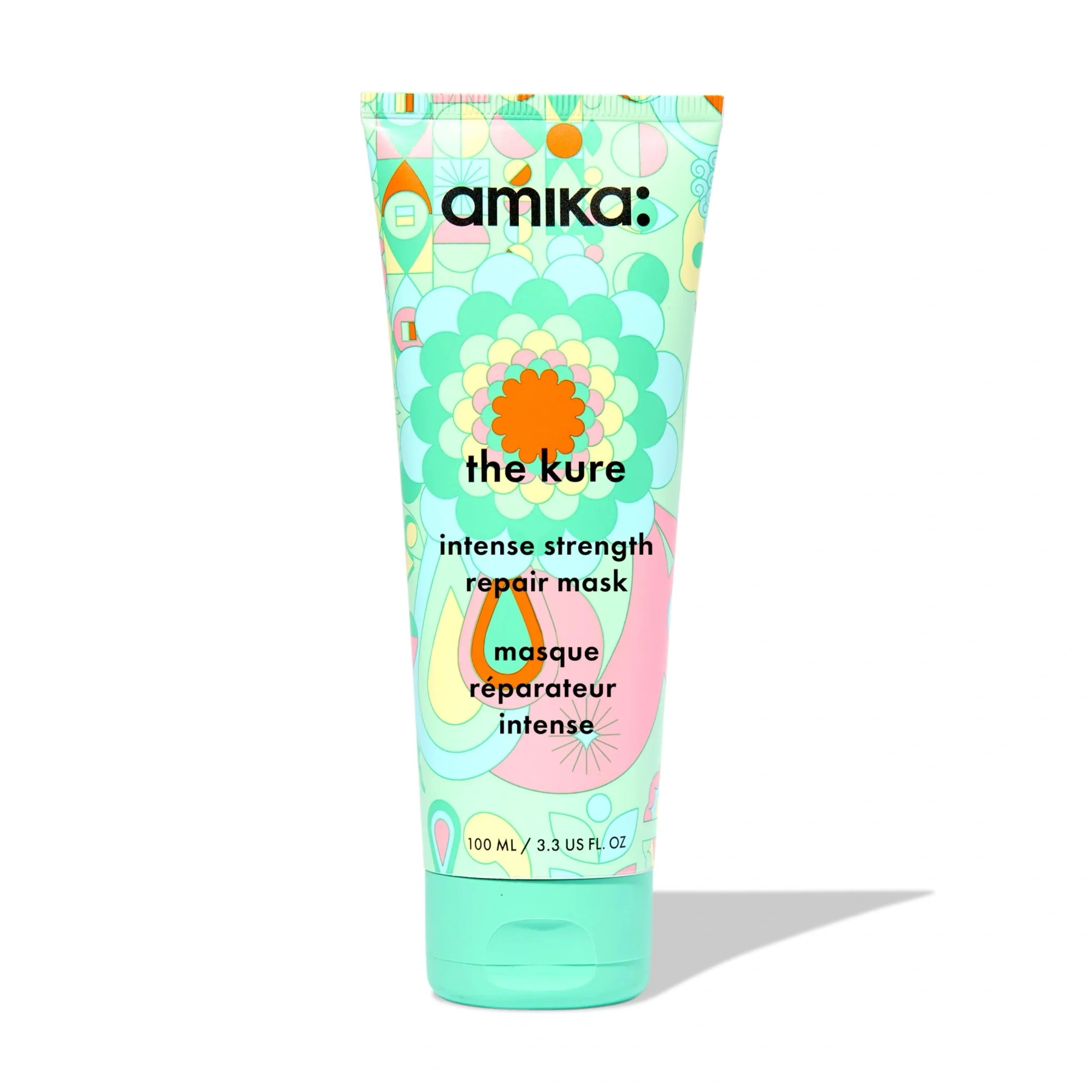
Our pick for a dedicated bond repair mask is the Amika The Kure Intense Bond Repair Mask at $24.00. It is designed as a weekly intensive treatment that replaces a conditioner after your wash routine, and it includes Bond Fortifying Technology along with borage, shea, and mango butters. Fine-haired shoppers should use it sparingly and rinse well, since a heavy mask can weigh strands down. Browse the mask collection to compare it with other intensive options.
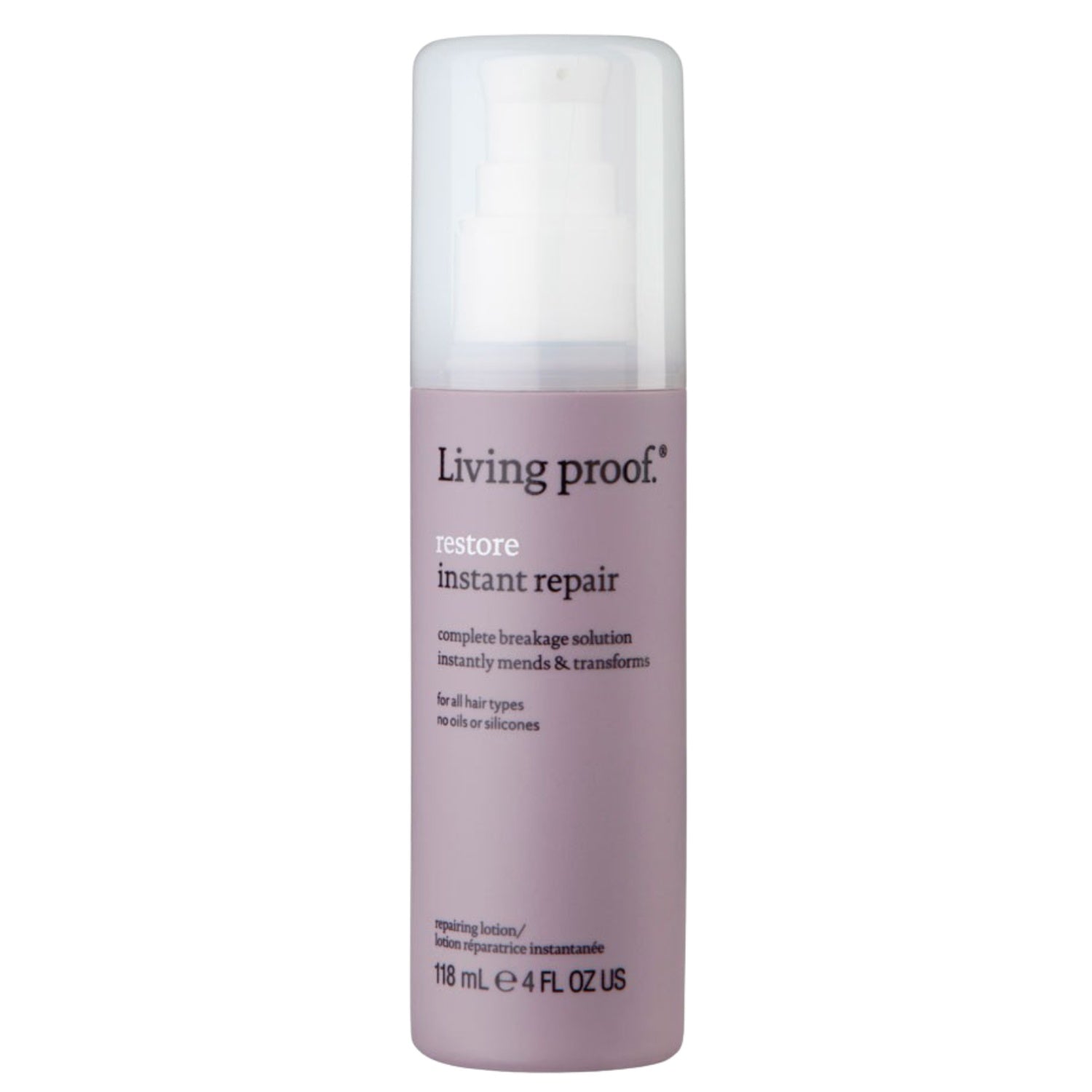
The Living Proof Restore Instant Repair Cream 4 Oz, priced at $23.80, is a leave-in option. It is sulfate-free, silicone-free, and oil-free, and applies to damp hair.
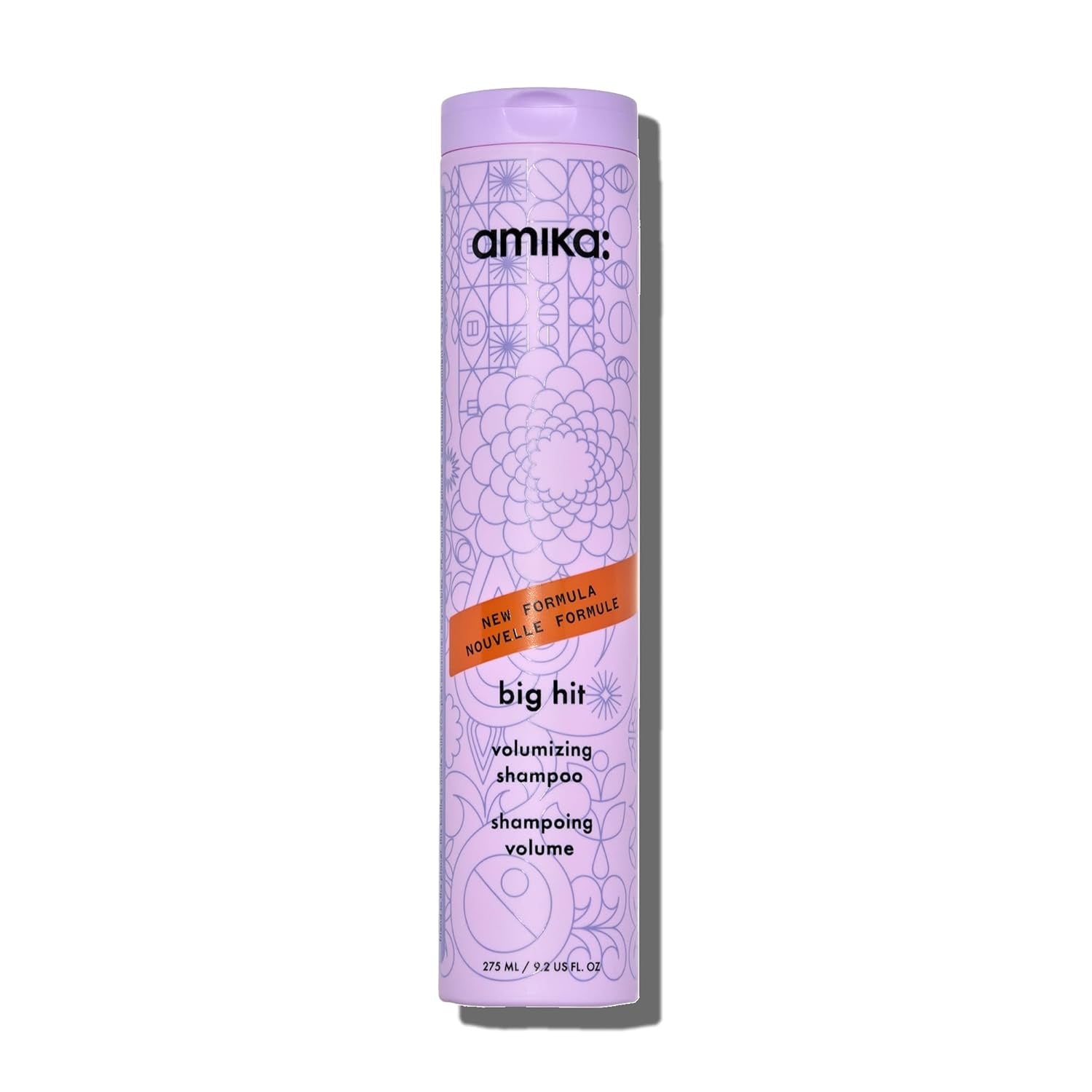
The Amika Big Hit Volumizing Shampoo, at $29.00, is built for fine to medium hair. Its primary strength is volume and scalp care, not deep repair, so pair it with a repair treatment rather than expecting it to rebuild bonds. Its vanilla, clover, and citrus fragrance may matter to some shoppers.
The Amika Hydro Rush Intense Moisture Hair Mask with Hyaluronic Acid, at $24.00, is a moisture-focused option. It is silicone-free and suits hair that feels dry or struggles to absorb moisture.
The Amika Soulfood Nourishing Mask, at $15.00, is the most budget-friendly pick among these. It works as a weekly treatment or an everyday conditioner depending on porosity, and it is listed as color-safe.
Quick Comparison Table
| Product | Price | Primary Role | Best For | Watch For |
|---|---|---|---|---|
| Amika The Kure Intense Bond Repair Mask | $24.00 | Rinse-out bond repair | Weekly repair for damaged strands | Can feel heavy on very fine hair |
| Living Proof Restore Instant Repair Cream 4 Oz | $23.80 | Leave-in repair | Between-wash repair | Use only a small amount |
| Amika Big Hit Volumizing Shampoo | $29.00 | Volume and scalp care | Fine to medium hair needing lift | Not a repair product on its own |
| Amika Bust Your Brass Cool Blonde Strength Repair Conditioner | $29.00 | Repair plus toning | Blonde, silver, or gray hair | Frequency should be adjusted to avoid over-toning |
| Amika Hydro Rush Intense Moisture Hair Mask | $24.00 | Moisture | Dry, dehydrated strands | Often unnecessary for non-dry fine hair |
Price
Bond Repair for Color-Damaged Hair: What to Look For
Color-damaged hair often needs both bond repair and moisture. Look for a formula that names a bond-focused technology and is labeled color-safe. The Amika Bust Your Brass Cool Blonde Strength Repair Conditioner, at $29.00, combines repair with ultra-violet pigments that counter brassiness in blonde, silver, and gray hair.
If you want a deeper walkthrough of color damage, read How to Fix Color Damaged Hair: A Step-by-Step Guide before choosing a routine.
Lightweight Repair Treatments for Fine Hair: Application and Dosage
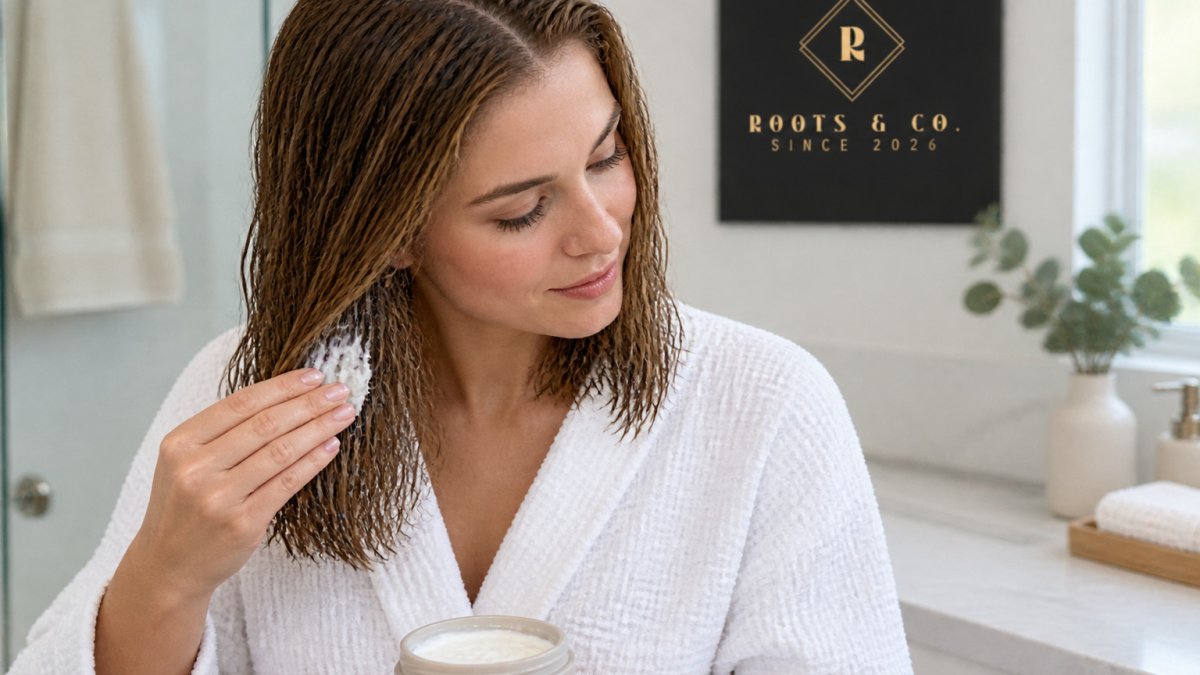
For fine hair, start with a pea-sized amount for shoulder-length strands and apply it from mid-lengths to ends. Comb through so the product distributes evenly, then rinse. The Living Proof cream is applied with one to two pumps on damp hair. Avoid the scalp unless a product is explicitly designed for it.
Fine hair can also benefit from a light volumizing step before styling. For practical ideas on lift without heavy products, see How Do You Add Volume to Fine Hair Without Heat?.
Building a Hair Bonding Treatment Routine at Home
A simple routine for fine hair looks like this: shampoo with a gentle wash, apply a bond repair mask once a week, use a light leave-in between washes, and skip heavy masks on days when hair feels coated. Adjust frequency based on how your hair responds. If strands feel stiff or limp, reduce the amount or frequency.
Choose Your Bond Repair Treatment and Start This Week
Start with one weekly bond repair treatment and one leave-in, then watch how fine strands respond over four to six weeks. The Amika The Kure Intense Bond Repair Mask is our first recommendation for most fine-haired shoppers with damage, and the Living Proof Restore Instant Repair Cream is a strong companion. Explore the full bond repair range to find the right fit for your hair, and thank you for reading.
Frequently Asked Questions
What should you avoid using on fine, thin hair?
Avoid heavy oils, rich butters and thick creams applied to the roots, because they can weigh fine strands down and make them look greasy. Use treatments in the lengths and ends, and rinse thoroughly. Lightweight formulas such as the Amika Big Hit Volumizing Shampoo, which is listed for fine to medium hair, are a better fit. Skip any product that leaves residue, and reduce how often you use a rich mask if your hair feels limp afterward.
Can bond repair treatments weigh down fine hair?
They can if the formula is dense or used too often. Richer masks like the Amika The Kure Intense Bond Repair Mask ($24.00) are designed as a weekly intensive treatment, so apply a small amount to the mid-lengths and ends, leave it on for the listed 10 minutes, and rinse well. If your hair looks flat, cut back to every other week and switch to a lighter leave-in product such as the Living Proof Restore Instant Repair Cream ($23.80), applied in one to two pumps.
What is the difference between a bond builder and a protein treatment?
A bond builder targets the internal disulfide bonds that break when hair is bleached, heat styled or chemically processed. A protein treatment supplies amino acids to the hair shaft and mainly improves stiffness and strength. Many fine-haired people do best with a balance of both, and the right choice depends on whether breakage or limpness is the main concern. Check the ingredient list and directions on the label before you buy.
Are bond repair treatments effective on color-treated fine hair?
Bond repair products can be used on color-treated hair, but they cannot fully reverse years of damage. The Amika Bust Your Brass Cool Blonde Strength Repair Conditioner ($29.00) is listed as color-safe and designed for blonde, silver and gray tones. Use a bond repair product regularly, pair it with a gentle shampoo, and expect gradual rather than instant change.
