
Quick Summary
To layer toner and serum, apply toner first while skin is slightly damp, then apply serum once the toner has started to dry. Going from thinnest to thickest helps each product absorb properly and prevents pilling. Use only 2 to 3 drops of serum.
- Cleanse your face and pat it dry, leaving skin slightly damp before applying toner.
- Wait about 30 to 60 seconds after toner so it starts to dry before adding serum.
- Use 2 to 3 drops of serum, pressed in with your fingertips.
- Give serum 30 to 60 seconds to absorb before applying moisturizer.
Table of Contents
- Why Layering Order Matters for Toner and Serum
- The Correct Order for Applying Skincare Products
- How to Layer Serums After Toner, Step by Step
- How Long to Wait Between Serum and Moisturizer
- Where Retinol Fits in a Layered Routine
- Toner and Serum Compatibility by Active Ingredient
- Troubleshooting Pilling, Irritation, and Over-Application
- Building Your Toner and Serum Routine at Roots & Co.
- Frequently Asked Questions
Layering toner and serum is one of the simplest changes you can make to a skincare routine, but the order matters more than most people expect. Used in the right sequence, these two products can work together. Used in the wrong one, they can block each other or leave your skin feeling sticky.
Toner and serum are both water-based or light products, so they generally layer without trouble. The general guideline is to apply products from thinnest to thickest, with toner before serum.
Why Layering Order Matters for Toner and Serum
When you layer toner and serum in the right order, each product absorbs more effectively. A thin toner applied first prepares the skin surface. A serum applied next can then sink in more easily. Reverse the order and the heavier product can sit on top, which may slow absorption of the lighter one.
Order also affects how the skin feels. Products that go on in the wrong sequence can pill, which means they roll up into small crumbs or flakes on the skin.
The Correct Order for Applying Skincare Products
A basic routine follows a simple sequence:
- Cleanse your face
- Apply toner while skin is still slightly damp
- Apply serum
- Apply moisturizer
- Finish with sunscreen in the morning
Each step should go from lightest to heaviest. Watery toners come first, then serums, then creams and oils.
How to Layer Serums After Toner, Step by Step
Follow these steps for a clean, even application:
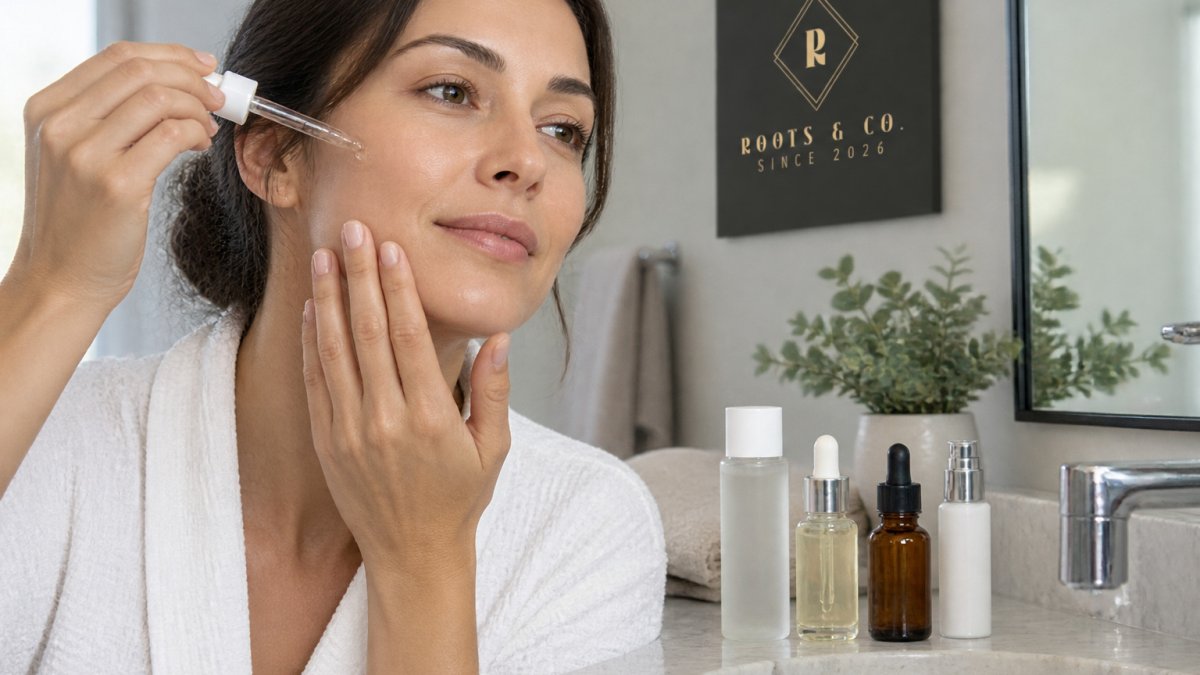
- Cleanse and pat your face dry, leaving skin slightly damp.
- Pour a small amount of toner onto a cotton pad or your palms.
- Press the toner into your skin. Do not rub.
- Wait about 30 to 60 seconds for the toner to start to dry.
- Apply 2 to 3 drops of serum and press it in with your fingertips.
- Give the serum time to sink in before moving on.
Using too much serum does not improve results. A few drops usually cover the whole face.
How Long to Wait Between Serum and Moisturizer
Most serums need about 30 to 60 seconds to absorb before you add moisturizer. If the serum still feels wet, give it another minute. Applying moisturizer on top of a wet serum can dilute it and cause it to roll off.
Thicker serums may take a few minutes. Check the feel of your skin rather than the clock alone.
Where Retinol Fits in a Layered Routine
Retinol is a common active ingredient in serums. Apply it at night, after toner and before moisturizer. Many people find that a gentle retinol serum works best when introduced slowly, two or three nights a week at first.
Keep sunscreen in the morning routine, since retinol can make skin more sensitive to sunlight.
Toner and Serum Compatibility by Active Ingredient
Compatibility depends less on the words "toner" and "serum" and more on what is inside each bottle. The toner sets the pH and moisture level of the skin surface, and the serum delivers the active. If the two conflict, you get stinging, redness, or a serum that never gets a chance to work.
Start by identifying your toner type, because it changes everything downstream:
- Hydrating toners (glycerin, hyaluronic acid, panthenol, rose water) are close to pH-neutral and layer safely under almost any serum. They are the safest base for vitamin C, retinol, and peptides.
- Exfoliating toners (glycolic, lactic, mandelic, or salicylic acid) lower the skin's pH and remove dead surface cells. They can boost penetration of whatever comes next, which is helpful for some actives and irritating for others.
- Astringent toners (high alcohol content, witch hazel at high concentration) strip oil and can leave skin tight. They are the least compatible base for strong actives and are best skipped on the same night as retinol.
With the toner identified, here is how the common pairings behave:
- Vitamin C (L-ascorbic acid) serums work best on clean, dry skin at low pH. A hydrating toner applied first and allowed to dry is fine. An exfoliating acid toner immediately before vitamin C raises irritation risk, so alternate them rather than stacking them. Watch out: vitamin C and benzoyl peroxide used in the same layer can cause stinging and cancel each other's benefit.
- Retinol and retinoid serums belong at night after a gentle, non-acidic toner. Do not layer retinol directly over an exfoliating acid toner in the same routine; the combination increases redness and peeling. A common pattern is to use the acid toner two nights a week and retinol on the other nights.
- Exfoliating acid toners plus exfoliating serums (for example, an AHA toner followed by a BHA serum) double the exfoliation load. Most practitioners recommend one exfoliating step per routine, not two.
- Niacinamide serums are broadly compatible and layer well over hydrating or exfoliating toners, though very high concentrations can sting on compromised skin.
- Peptide serums need a friendly pH, so apply them after a hydrating toner and before stronger acids; acid toners applied first can degrade some peptides.
- Hyaluronic acid serums layer easily over any toner, but they need moisture to work, so apply them to damp skin after a hydrating toner rather than to dry skin after an astringent one.
A simple rule for sensitive skin: use one active per routine. If you want vitamin C in the morning and retinol at night, that is a workable split. Trying to fit an acid toner, a vitamin C serum, and a retinol into the same evening is where most irritation comes from. When you introduce a new active, add it alone for one to two weeks before combining it with anything else, and patch test on the jawline first.
Troubleshooting Pilling, Irritation, and Over-Application
Pilling and irritation look like the same problem but have different causes, so treat them separately.
Pilling (products rolling into crumbs or flakes) is almost always a texture and timing issue, not a skin issue. Check these in order:
- Too much product. A dime-sized amount of toner on a cotton pad or a few drops in your palms is enough for the whole face. Serum should be 2 to 3 drops, not a full dropper. Excess product sits on the surface and balls up under the next layer.
- Skipping the dry-down. If the toner is still wet when the serum goes on, the two mix instead of layering. Give the toner 30 to 60 seconds, or until it feels tacky rather than wet.
- Silicone or gum-heavy formulas. Apply them with a press-and-pat motion rather than rubbing, and use fewer products in the morning.
- Rubbing instead of pressing. Friction is the main trigger for pilling. Pat toner in with your palms or a cotton pad, then press serum in with fingertips and let it set before the next step.
Irritation (stinging, redness, tightness, or breakouts) points to the actives or the frequency, not the application. Work through these steps:
- Stop the newest product first. Remove only the product you added most recently and give skin 7 to 10 days. If the stinging stops, that product was the cause.
- Cut frequency before cutting the product. An exfoliating toner or retinol serum used nightly can be reduced to two or three nights a week. Many people find that less frequent use clears the irritation without losing the benefit.
- Separate the actives. Do not use an acid toner and a retinol serum on the same night. Alternate them, or use the acid toner in the morning and retinol at night.
- Check for a damaged barrier. If everything stings, including plain moisturizer, stop all actives for one to two weeks and use only a hydrating toner and a barrier moisturizer. Watch out: continuing actives on a compromised barrier usually makes redness and breakouts worse.
- Breakouts versus purging. Retinol and exfoliating acids can cause a temporary purge in the first two to four weeks, usually in areas where you normally break out. New breakouts in unusual areas, or breakouts that last past six weeks, are more likely irritation or a reaction to a formula.
Skin-type adjustments change how much you apply and how often:
- Dry or sensitive skin: use a hydrating toner, press it in, and keep serum to 2 drops. Skip astringent toners entirely and introduce actives at one night a week.
- Oily or acne-prone skin: a salicylic acid toner two or three times a week plus a lightweight niacinamide serum is a common pairing. Avoid layering two exfoliating products.
- Combination skin: apply the hydrating toner everywhere and the exfoliating toner only on the oily zones, then use one serum across the face.
If irritation does not improve after two weeks of simplifying, or if you develop swelling, hives, or spreading redness, stop the routine and see a dermatologist. Thank you for reading.
Building Your Toner and Serum Routine at Roots & Co.
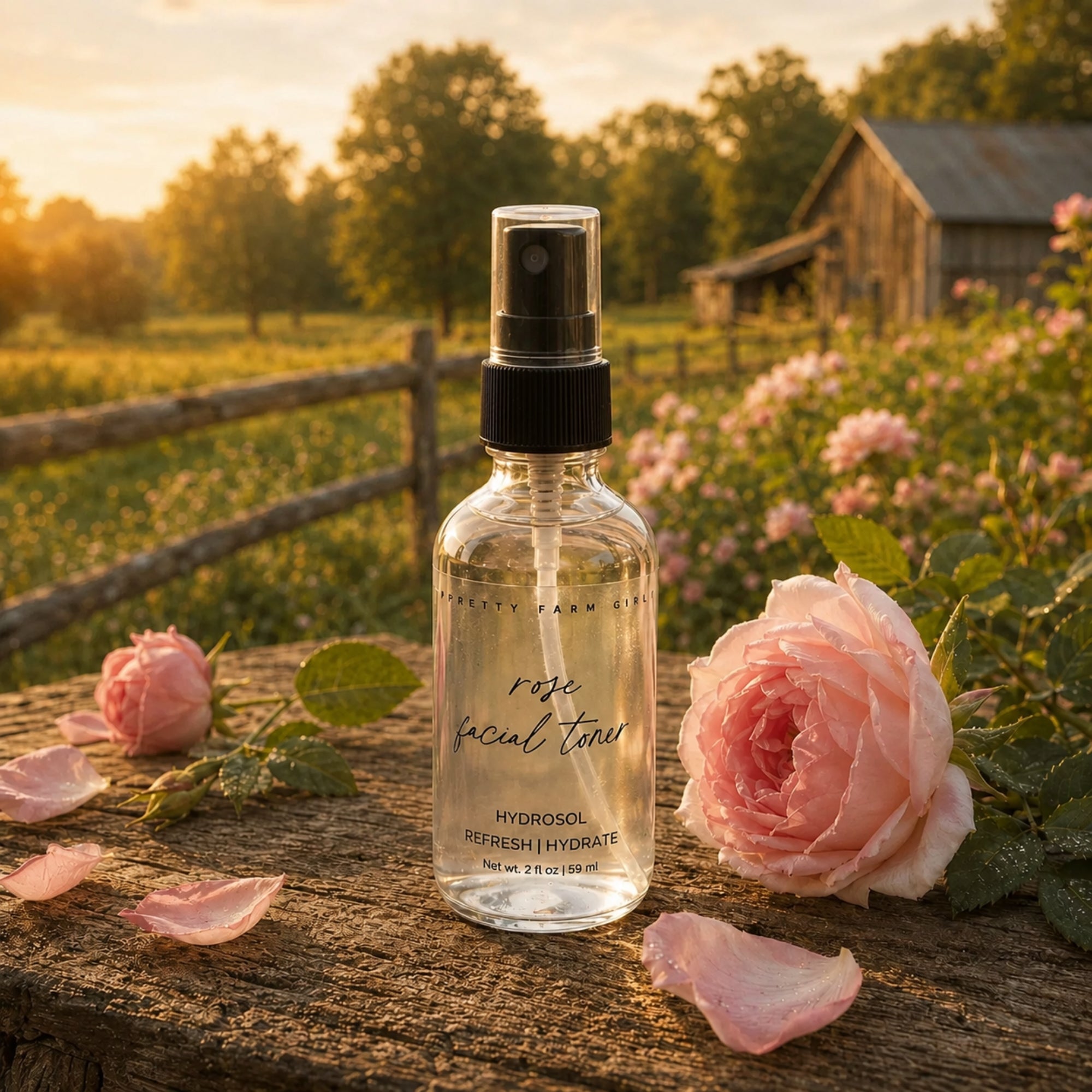
If you are unsure where to start, the Online affiliation program is one way to explore Roots & Co. products. Our Organic Turmeric Facial Toner for Evening Skin Tone and Organic Pure Rose Facial Toner are both light, spray-top options that fit the first step of a layered routine. Each comes in a 2 oz glass bottle and costs $15.99.
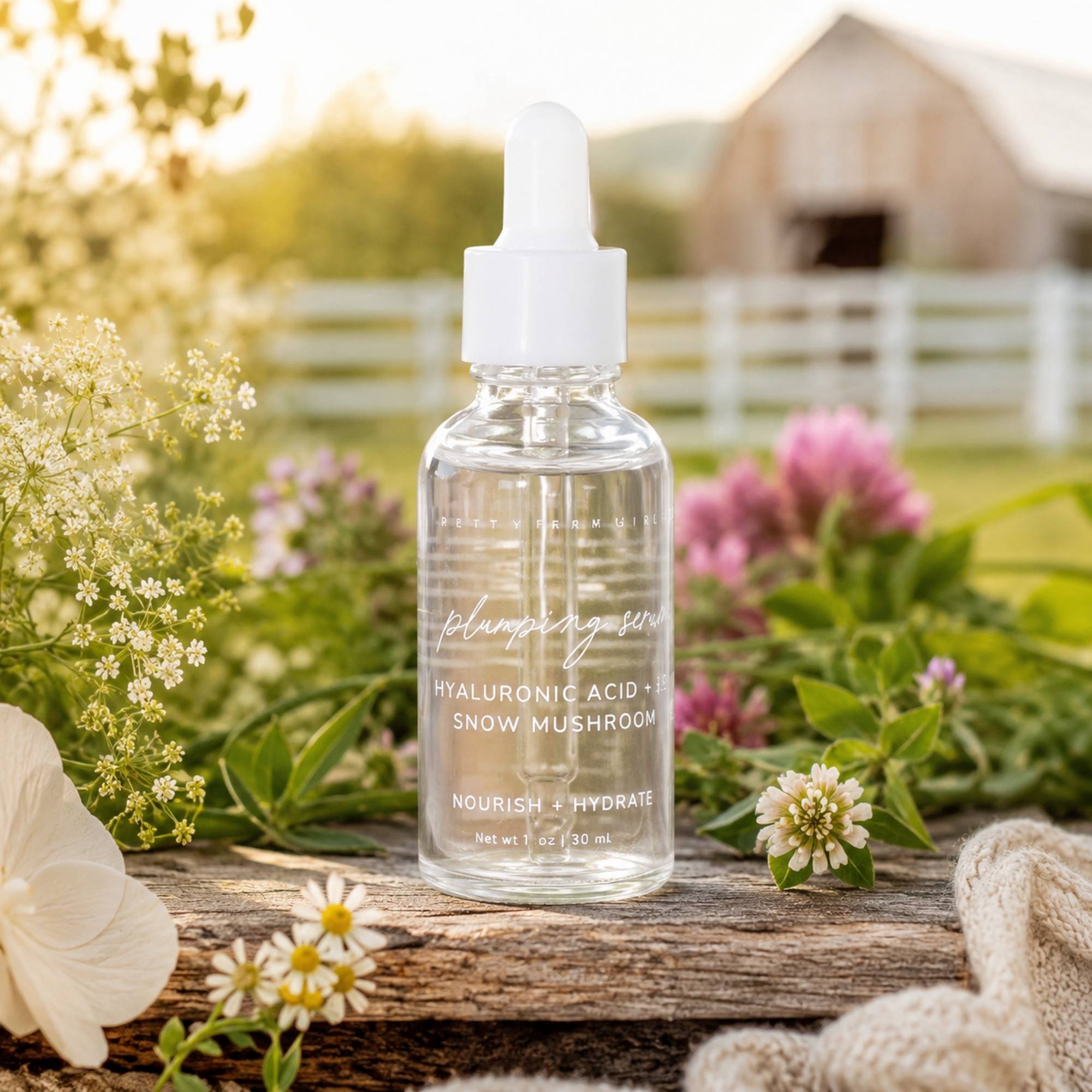
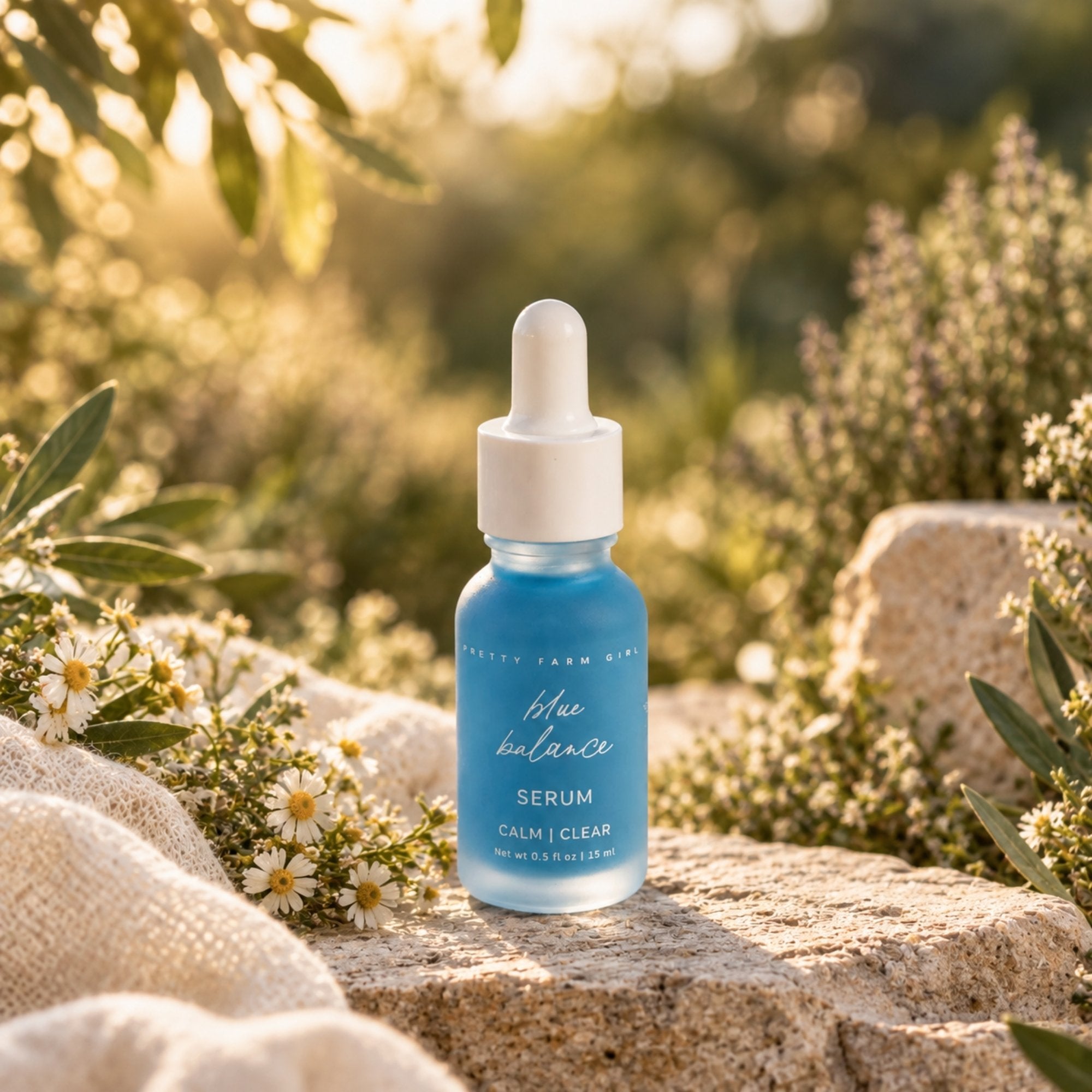
For the serum step, the Hyaluronic Plumping Serum with Vitamin B5 + Snow Mushroom ($38.00) is a 1 fl oz option, and the Blue Balance Face Serum ($24.99) is a 0.5 fl oz choice. Start with one toner and one serum, then add more products only after your skin adjusts.
Thank you for reading. We hope this guide helps you build a routine that works for your skin.
Here is how the Roots & Co. products mentioned in this section compare at a glance.
| Product | Step in routine | Size and price |
|---|---|---|
| Organic Turmeric Facial Toner | Toner (first step) | 2 oz glass bottle, $15.99 |
| Organic Pure Rose Facial Toner | Toner (first step) | 2 oz glass bottle, $15.99 |
| Hyaluronic Plumping Serum with Vitamin B5 + Snow Mushroom | Serum (second step) | 1 fl oz, $38.00 |
| Blue Balance Face Serum | Serum (second step) | 0.5 fl oz, $24.99 |
Frequently Asked Questions
Do you apply toner before or after face serum?
Apply toner before serum. Toner is typically thinner and more water-based, and serum is more concentrated. Applying the lighter product first lets the serum reach the skin rather than sitting on top of a watery layer. Use a small amount of toner on clean, pat-dried skin, wait until it has absorbed, then apply your serum. Roots & Co. offers the Organic Pure Rose Facial Toner at $15.99 and the Hyaluronic Plumping Serum with Vitamin B5 + Snow Mushroom at $38.00.
How long should you wait between toner and serum?
Wait until the toner has fully absorbed before applying serum, which typically takes under a minute for a thin toner. Patting the skin with your fingertips is a simple way to check whether the surface feels dry to the touch. Rushing this step can cause the serum to pill or slide off unevenly. If your skin still feels tacky, give it a little more time before continuing.
Can you use toner and serum together every day?
Yes, most people can use toner and serum daily, morning and evening, as long as the products suit their skin type and they tolerate them well. Start with a few days of use and watch for redness, stinging, or dryness. If irritation develops, reduce frequency or pause and patch test new products on a small area of skin before full use. The Blue Balance Face Serum at $24.99 is a 0.5 fl oz option.
Price of Roots & Co. products in the routine
